Influencer's Luxury Truck Seized for Tampered Anti-Pollution System in Brazil
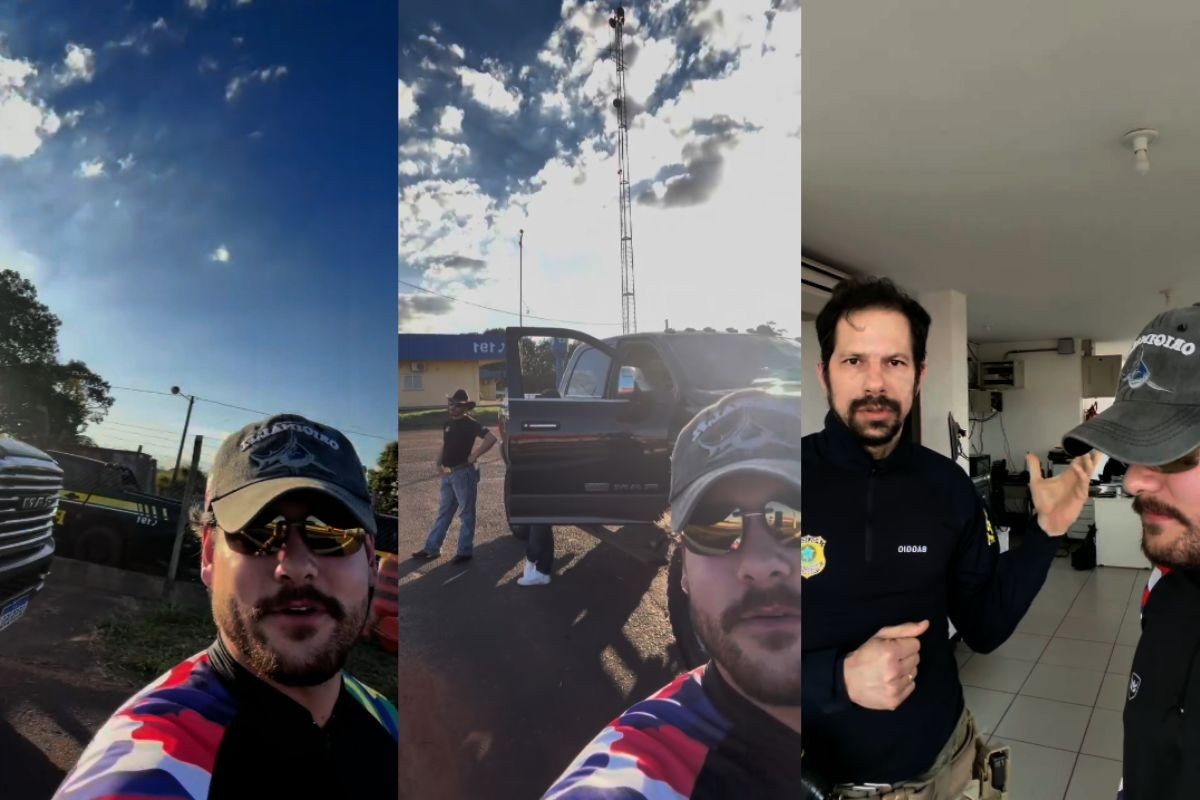
Brazilian Federal Highway Police (PRF) seized a luxury pickup truck belonging to influencer Cesar Rincon, known as Rincon, on Saturday, February 4th, in Campo Grande, Mato Grosso do Sul. The vehicle was found to have its emission control system illegally altered, specifically the removal of the muffler and original catalytic converter. The catalytic converter is a crucial component for reducing pollutant gases, and its absence can increase nitrogen oxide emissions by up to five times, contributing to acid rain and air pollution. Additionally, the reservoir for the aqueous solution used in the emission control system was found to be empty. The PRF stated that these modifications are incompatible with environmental regulations for diesel trucks and pickups manufactured after 2012. Rincon, who gained national attention as a rumored romantic interest of singer Ana Castela, was informed of his rights and stated he would regularize the vehicle. He and the vehicle's owner signed a Termo Circunstanciado de Ocorrência (TCO) for suspicion of an environmental crime under the Law of Environmental Crimes. The truck was also ticketed for operating without a mandatory muffler. The PRF is forwarding the case to Ibama for potential administrative environmental infractions.
This incident highlights the intersection of social media influence and regulatory enforcement concerning environmental standards in the automotive sector. The influencer's public acknowledgment and stated intention to rectify the situation suggest an awareness of the legal and environmental implications, though the initial act points to a disregard for compliance. The "delete" or "chipagem" practice, as described, represents a systemic issue where vehicle owners may prioritize performance or perceived cost savings over environmental protection. This case underscores the importance of robust inspection regimes and public awareness campaigns to deter such modifications, particularly among high-profile individuals whose actions can influence broader public behavior. Future regulatory efforts might consider incentivizing compliance or increasing penalties to address the growing trend of emission system tampering.
AI-generated to prompt reflection — not editorial opinion, not advice, not a statement of fact. How this works.