Influencer Sued for Anti-Poverty Discrimination, Barred from Prejudiced Posts
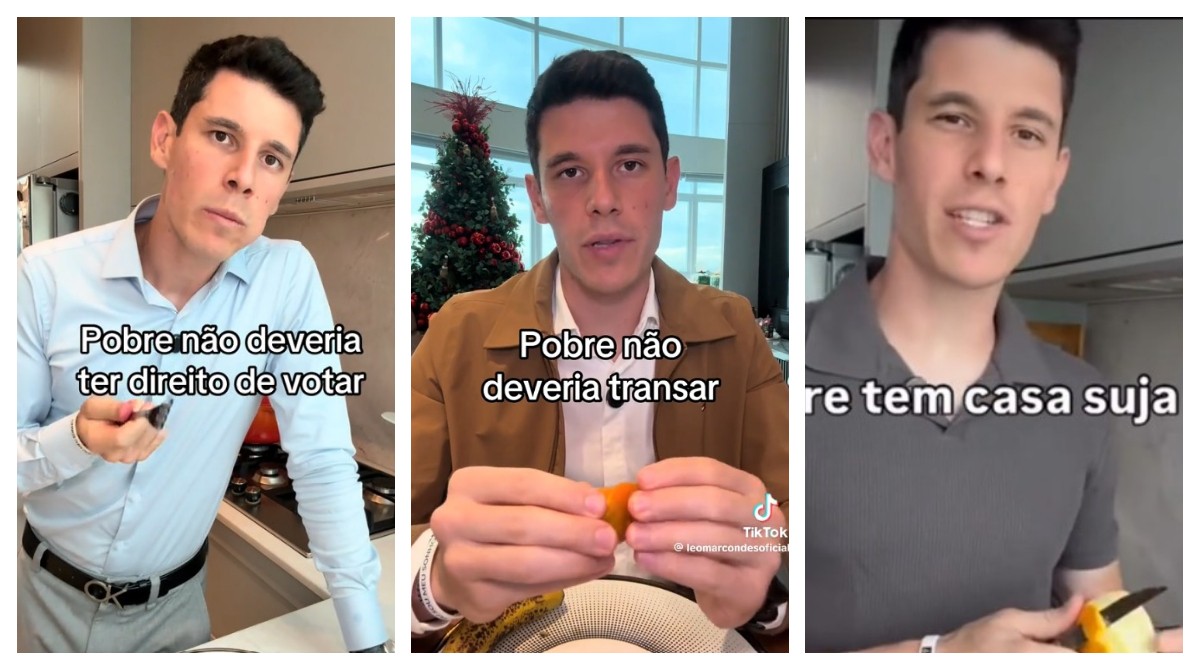
A São Paulo court has accepted a public civil lawsuit filed by the Public Prosecutor's Office of São Paulo (MP-SP) against digital influencer Leonardo Marcondes. Marcondes is accused of producing discriminatory content against impoverished individuals on social media and has been officially named a defendant for prejudice. The judge has prohibited Marcondes from making further prejudiced posts against impoverished people, though a request to remove his social media pages entirely was denied. The lawsuit, which is under judicial seal, accuses Marcondes of aporophobia, defined as prejudice or phobia against the poor. The MP-SP confirmed the acceptance of the lawsuit but stated it would appeal the denial of certain preliminary requests, including the removal of Marcondes's Instagram page, which boasts over 1.3 million followers. Prosecutors sought a R$300,000 fine for collective moral and social damages, alongside the prohibition of discriminatory content. Marcondes's legal team expressed surprise at the action and stated their client was available for clarification, also complaining about the public disclosure of the lawsuit without due process. Marcondes has since deleted pejorative posts about the poor from his Instagram profile. The MP-SP argues that the R$300,000 compensation demand is intended to be repressive, pedagogical, and preventive. The case was prompted by a video where Marcondes argued that poor people should not have the right to vote, claiming they make poor decisions for themselves and thus would make poor decisions for the country. The MP-SP contends that Marcondes's content exceeds freedom of expression by promoting discrimination and hate speech against a segment of the population, seeking to exclude them from political participation. The lawsuit also notes Marcondes promotes courses and lectures despite stating he lacks a higher education degree, having only completed eight semesters across different institutions. Prosecutors argue he lacks the professional qualifications to offer such content and uses his platform to attract paying customers, with ongoing damage occurring as the content remains accessible.
This case highlights the complex interplay between freedom of expression and the legal prohibition of hate speech, particularly when directed at vulnerable socioeconomic groups. The legal action against Leonardo Marcondes underscores a growing societal awareness and intolerance for rhetoric that demeans or disenfranchises the poor. While Marcondes's statements, if accurately reported, appear to cross a line into discriminatory discourse by questioning the fundamental right to vote based on economic status, the court's decision to prohibit future prejudiced posts while denying immediate page removal reflects a nuanced approach. This balance aims to curb harmful speech without unduly restricting online presence, pending further legal proceedings. The case also raises questions about the regulatory challenges of influencer marketing, especially concerning claims of expertise and the potential for financial exploitation through unverified advice. Future legal frameworks may need to address the amplification of harmful narratives by social media platforms and the accountability of individuals who leverage large followings to promote divisive ideologies.
AI-generated to prompt reflection — not editorial opinion, not advice, not a statement of fact. How this works.