Influencer Viih Tube Defends Staff Reality Show as Critique of Work Schedule
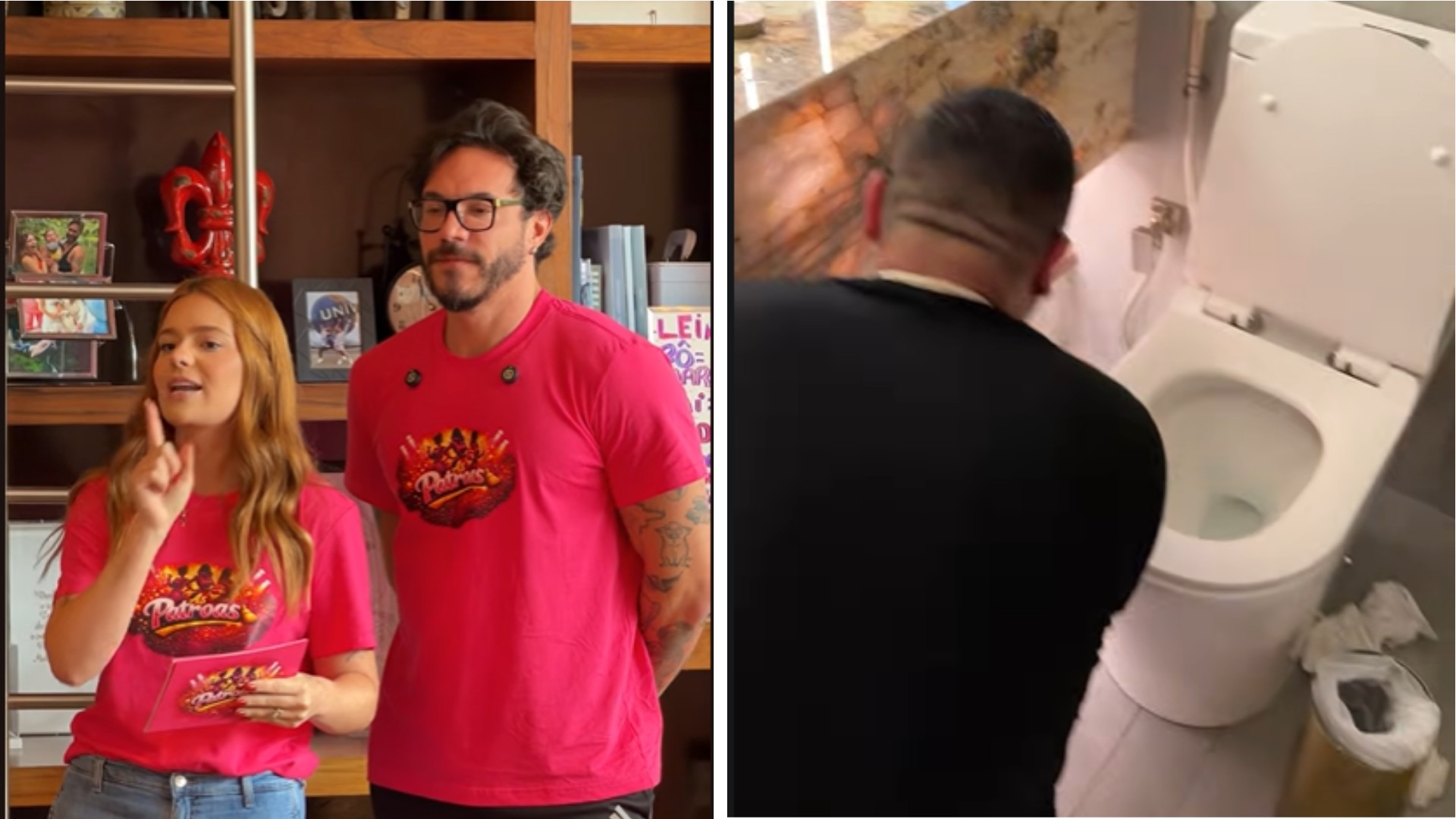
Brazilian influencer Viih Tube has addressed public criticism regarding her reality show, "As Patroas," which features 11 of her family's employees. Tube explained in Instagram videos on Thursday, February 2nd, that the show's primary intention was to draw attention to opposition against the 6x1 work schedule, a system she and her husband, Eliezer, are against. She admitted she did not anticipate the significant public backlash the show generated. The first episode, released on Tuesday, January 30th, on Tube's YouTube channel and the couple's social media, is no longer available on YouTube following the criticism. The second episode, which delves into issues of precarious work and the 6x1 schedule, was released on Tube's Instagram. Tube stated that the second episode's early release was due to the immense reaction, as they sought public attention but not to this extent. She also clarified that employee participation was voluntary, with those who accepted signing audiovisual production contracts and receiving payment akin to a sponsored post. The reality show's premise, including challenges like searching for coins scattered in various locations, even a toilet, and a prize exceeding R$20,000, has drawn scrutiny. The controversy has prompted the Ministry of Labor and Employment (MPT) in São Paulo to open an investigation into the matter. The Superior Labor Court (TST) also commented, without directly naming the influencers, that exposing workers to humiliating or embarrassing situations could constitute moral harassment, emphasizing that respect is a duty in the workplace and humiliation is not entertainment.
The "As Patroas" reality show, framed by its creators as a critique of the 6x1 work schedule, highlights a tension between using media for social commentary and the potential for exploitation. While the stated intent was to raise awareness about labor practices, the execution, involving employees in a competitive format with potentially undignified challenges, has raised ethical questions. This situation underscores the evolving landscape of influencer marketing and its intersection with labor law, particularly concerning consent, compensation, and the blurring lines between personal and professional life in the digital age. Future considerations for content creators and platforms may involve establishing clearer ethical guidelines to ensure that social commentary does not inadvertently create exploitative environments, thereby safeguarding worker dignity while still allowing for innovative forms of public discourse.
AI-generated to prompt reflection — not editorial opinion, not advice, not a statement of fact. How this works.