Influencers Paid to Make Songs Go Viral Without Your Knowledge
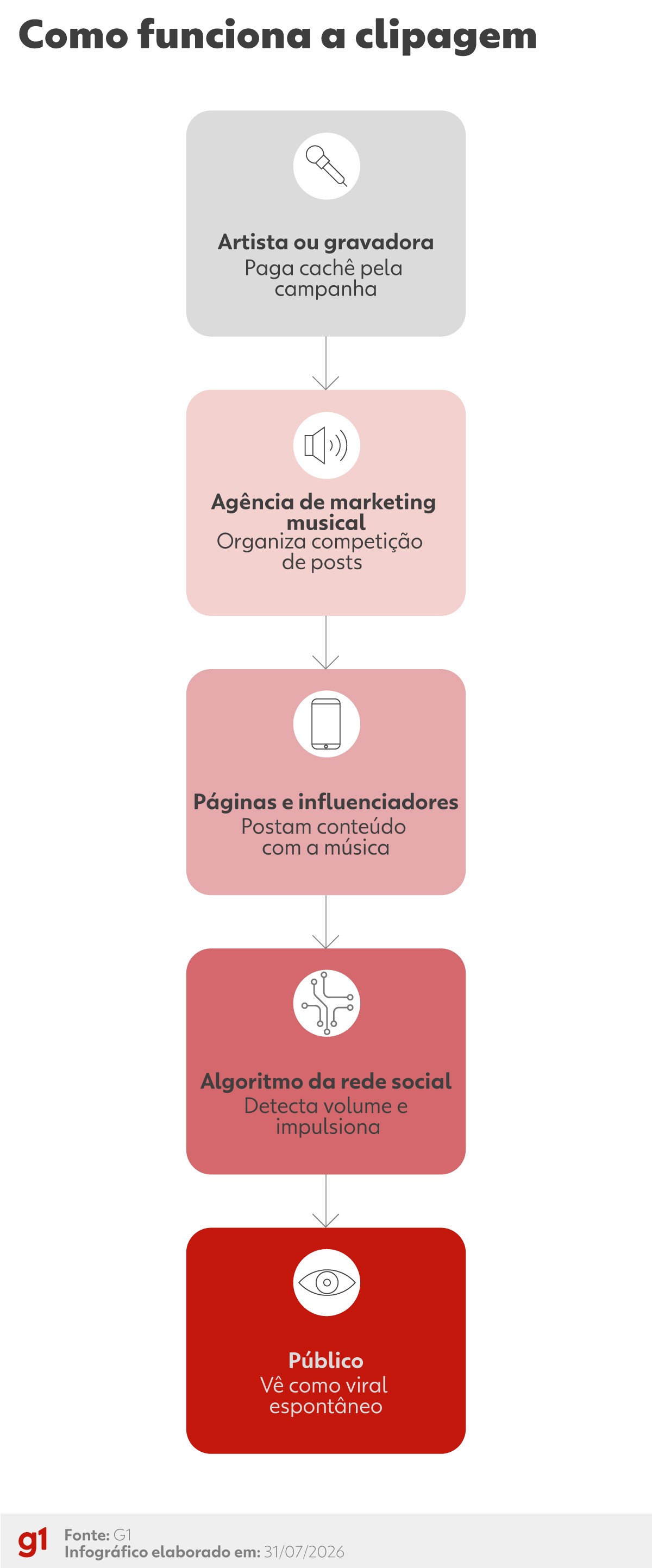
The music industry increasingly relies on influencers to artificially boost song popularity, a practice often hidden from the public. Marketing agencies like Rap Marketing specialize in "viralization marketing," promising to propel songs to trending status on social media platforms. This involves paying influencers to create content, such as dance challenges or background music in various videos, that appears organic but is actually part of a paid promotion strategy. These campaigns, sometimes involving "competitions" among nano-influencers, aim to manipulate social media algorithms by increasing the volume of content associated with a specific song. Even platforms like TikTok facilitate this through native "Campaigns" where creators can earn by using promoted music.
These strategies extend to partnerships with large social media pages that post content with lesser-known songs in the background, often subtly integrated into edits or vlogs. In genres like rap and funk, "preview" pages are used, where artists directly engage page owners to promote their tracks. Influencers may also be paid to post positive reviews or endorsements of artists, again without clear disclosure. This practice has become so widespread that major global artists like Drake, Selena Gomez, and the Rolling Stones have reportedly utilized similar tactics.
The core issue lies in the lack of transparency, as these paid promotions often violate advertising guidelines that require clear identification of sponsored content. While some argue that music promotion is a "gray area" and not always harmful, experts indicate that truly organic virality is rare, with significant financial investment often required to generate buzz. For instance, a campaign to reach the Top 50 charts can cost around R$ 20,000. While these strategies can amplify reach, they are generally seen as tools to help a song find its audience rather than manufacturing success from scratch, with authenticity and emotional connection remaining crucial for lasting impact.
The widespread use of paid influencers to manufacture viral music trends highlights a significant shift in how cultural phenomena are disseminated. This practice blurs the lines between organic popularity and orchestrated marketing, potentially eroding audience trust and the perceived authenticity of online content. While these strategies can offer artists and labels a more predictable path to visibility in a crowded digital landscape, they raise questions about algorithmic fairness and the democratization of cultural influence. The long-term implications involve a potential arms race in marketing spend and a need for greater regulatory oversight to ensure transparency for consumers, particularly as AI-generated content and sophisticated marketing techniques continue to evolve.
AI-generated to prompt reflection — not editorial opinion, not advice, not a statement of fact. How this works.
