Influencers Viih Tube and Eliezer Settle Labor Law Violations for $350,000
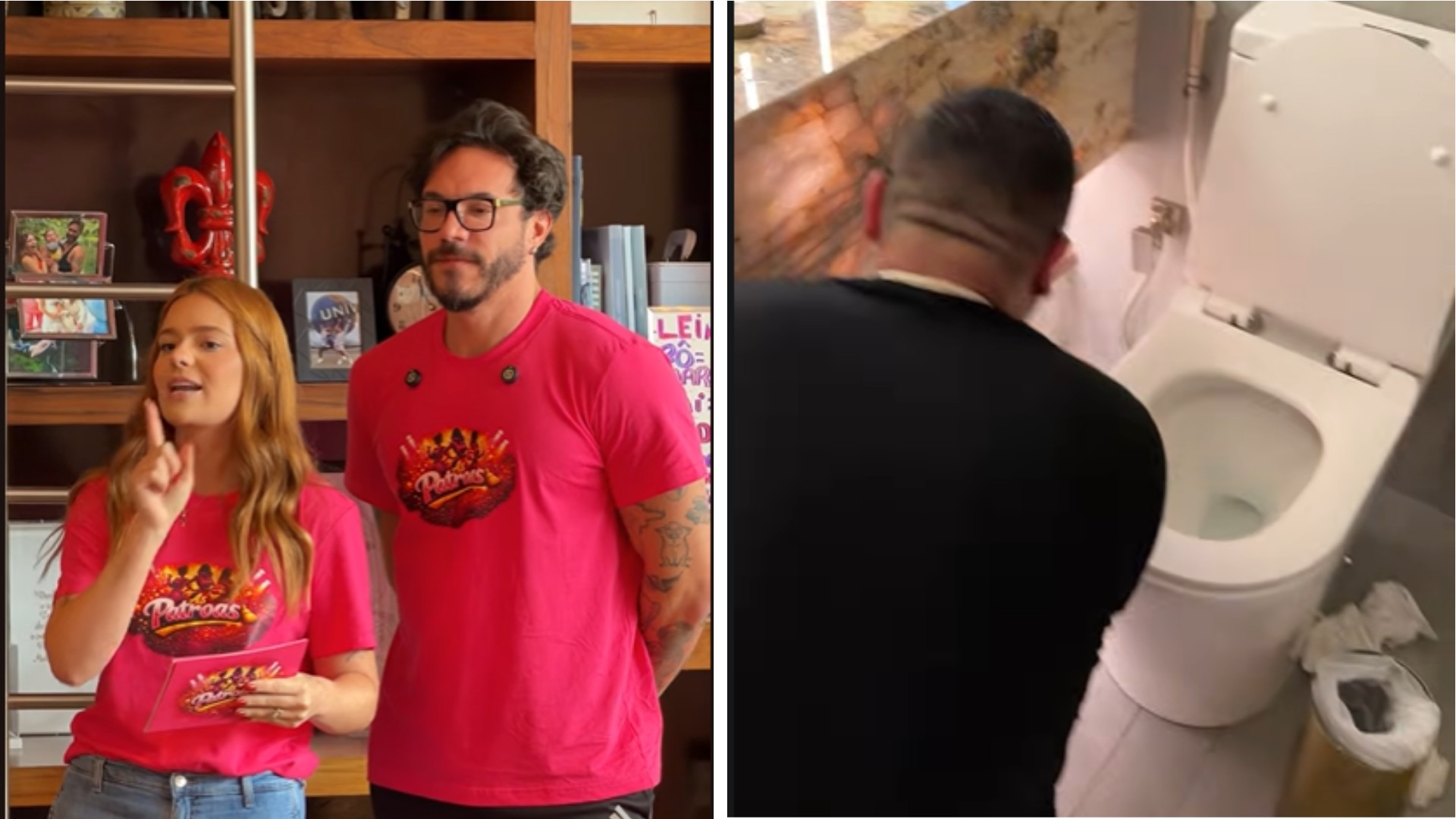
Influencers Viih Tube and Eliezer have reached an agreement with the Public Ministry of Labor (MPT) in Brazil, agreeing to end their reality show "As Patroas" and pay R$350,000 for collective moral damages. The show featured 11 domestic employees competing in challenges for prizes, including cash and reduced working hours. One notable challenge involved participants searching for plastic coins in toilets and trash cans. The MPT initiated an investigation into potential labor law violations, specifically concerning the public exposure of employees and the commercial use of their images. The agreement, finalized in Barueri (SP), requires the influencers to remove irregular content within 48 hours and prohibits them from producing or disseminating content that exposes domestic employees to humiliating or vexatious situations, even with consent. They are also forbidden from requiring or incentivizing employee participation in similar productions. Future participation must be voluntary, documented in writing, and without repercussions for refusal. The influencers must also publish three educational videos on domestic workers' rights. Failure to comply will result in a R$50,000 fine per violated clause, plus R$5,000 per affected worker. The reality show, initially launched on June 30th, faced swift criticism and was removed from YouTube within 24 hours due to concerns over employer-employee dynamics. Legal experts emphasize that employment contracts do not grant employers the right to commercially exploit an employee's image, and a separate, specific contract with free, informed consent is necessary for such ventures, adhering to data protection laws. Employees retain the right to withdraw from participation at any time without penalty, and employers can face legal action for exposing workers to humiliating situations.
This case highlights the complex intersection of social media influence, labor law, and privacy in the digital age. The agreement underscores that while individuals and entities can leverage their platforms for content creation, this must be balanced against fundamental worker protections. The substantial moral damages and corrective actions signal a growing regulatory focus on preventing the exploitation of labor for entertainment, particularly when it involves potentially coercive employer-employee dynamics. Future content creators must navigate a landscape where consent must be demonstrably free, informed, and revocable, and where the line between employment duties and voluntary participation in media is strictly enforced. This event serves as a cautionary tale, prompting a broader consideration of ethical content production standards and the need for robust legal frameworks to safeguard individuals in evolving employment and digital contexts.
AI-generated to prompt reflection — not editorial opinion, not advice, not a statement of fact. How this works.