Influencers Viih Tube and Eliezer Settle Labor Ministry Case for $350,000
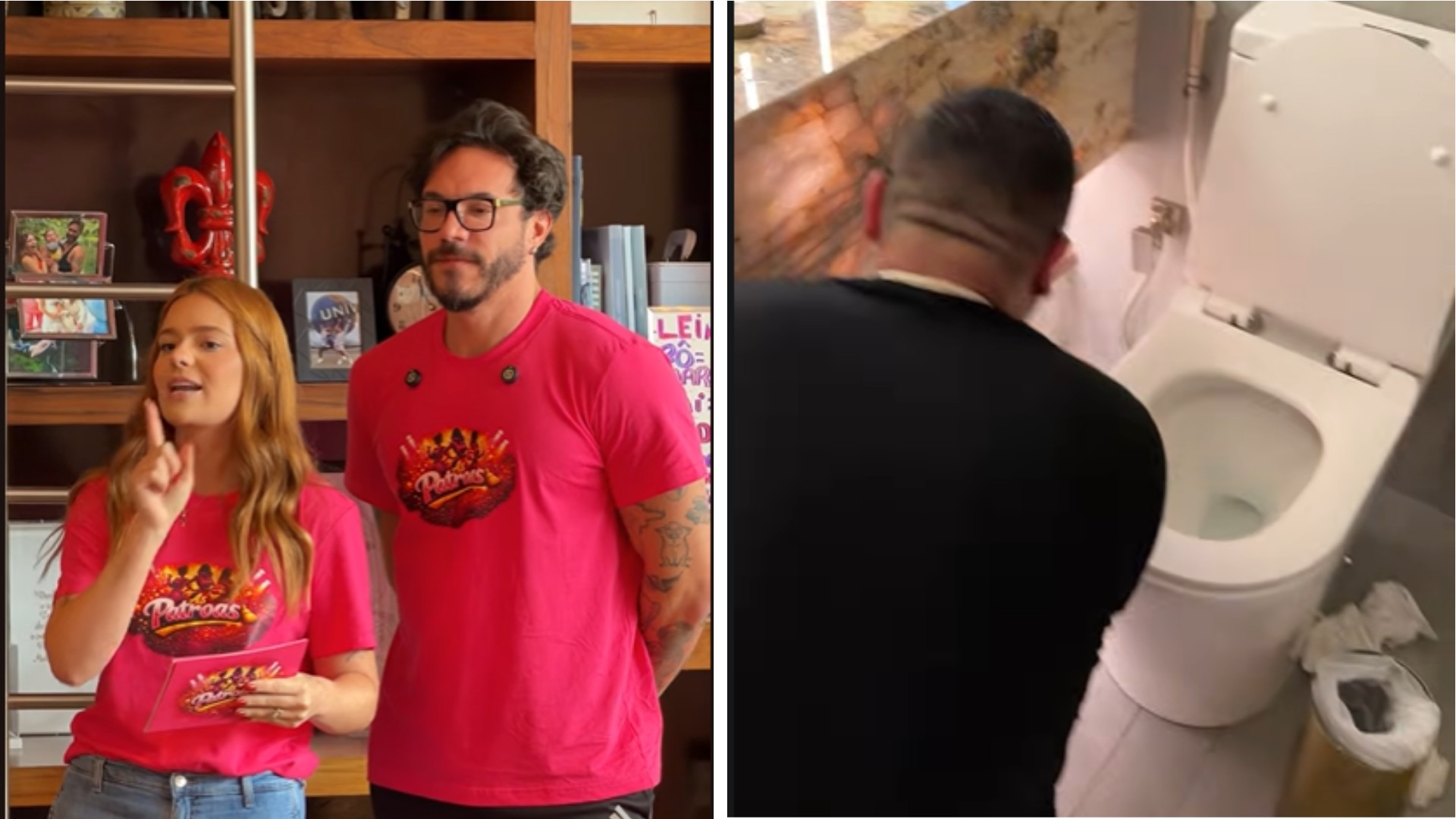
Brazilian influencers Viih Tube and Eliezer have reached an agreement with the Ministry of Labor and Employment (MPT) to settle a case concerning their reality show "As Patroas." The show featured domestic employees of the couple and faced scrutiny for potentially exploitative content. As part of the agreement, the influencers will pay R$ 350,000 for collective moral damages and must remove irregular content from their platforms within 48 hours. Viih Tube stated that the settlement will be used as an opportunity to "make lemonade out of lemons" by producing educational content about labor rights. She explained that during the investigation, she could not comment on the case as negotiations were ongoing. The couple presented documents such as employment contracts and scripts to the MPT, suggesting the employees were aware of the show's dynamics. However, Viih Tube acknowledged that the exposure raised concerns about the portrayal of domestic workers and apologized to those offended. The agreement requires the couple to produce three educational videos on the rights of domestic employees, aiming to raise awareness among both workers and employers. These videos will not directly address the case but will offer guidance on labor legislation. The MPT's investigation aimed to address potential violations stemming from the reality show, which involved 11 domestic employees participating in challenges for prizes. Concerns were raised about the public exposure of workers and the commercial use of their image. The settlement also prohibits the influencers from producing content that humbles or embarrasses employees, requiring future participation in audiovisual content to be voluntary and formally documented. Retaliation against employees who refuse or report irregularities is also forbidden, with penalties of R$ 50,000 per clause violation and R$ 5,000 per affected worker for non-compliance. The R$ 350,000 collective moral damages payment will be directed to a public fund for collective interest projects, not directly to the employees involved. Furthermore, the couple will no longer be permitted to film or publish content showing their daily routines with domestic employees.
This situation highlights the evolving landscape of influencer marketing and the critical need for ethical content creation, particularly when involving employees. The settlement reflects a growing regulatory focus on protecting workers' rights in the digital age, where the lines between personal life and professional content can blur. The influencers' commitment to producing educational materials on labor rights, while framed as a positive outcome, also serves as a mandatory corrective action. This case underscores the potential for significant reputational and financial consequences when content inadvertently normalizes or exploits power imbalances. Moving forward, creators must proactively consider the broader societal implications of their content and ensure all participants, especially those in subordinate roles, provide informed consent and are not subjected to undue pressure or public humiliation for engagement. The substantial fine and imposed restrictions signal a clear message about accountability in the creator economy.
AI-generated to prompt reflection — not editorial opinion, not advice, not a statement of fact. How this works.