Influencers Viih Tube and Eliezer Settle Labor Rights Case with Public Education Videos
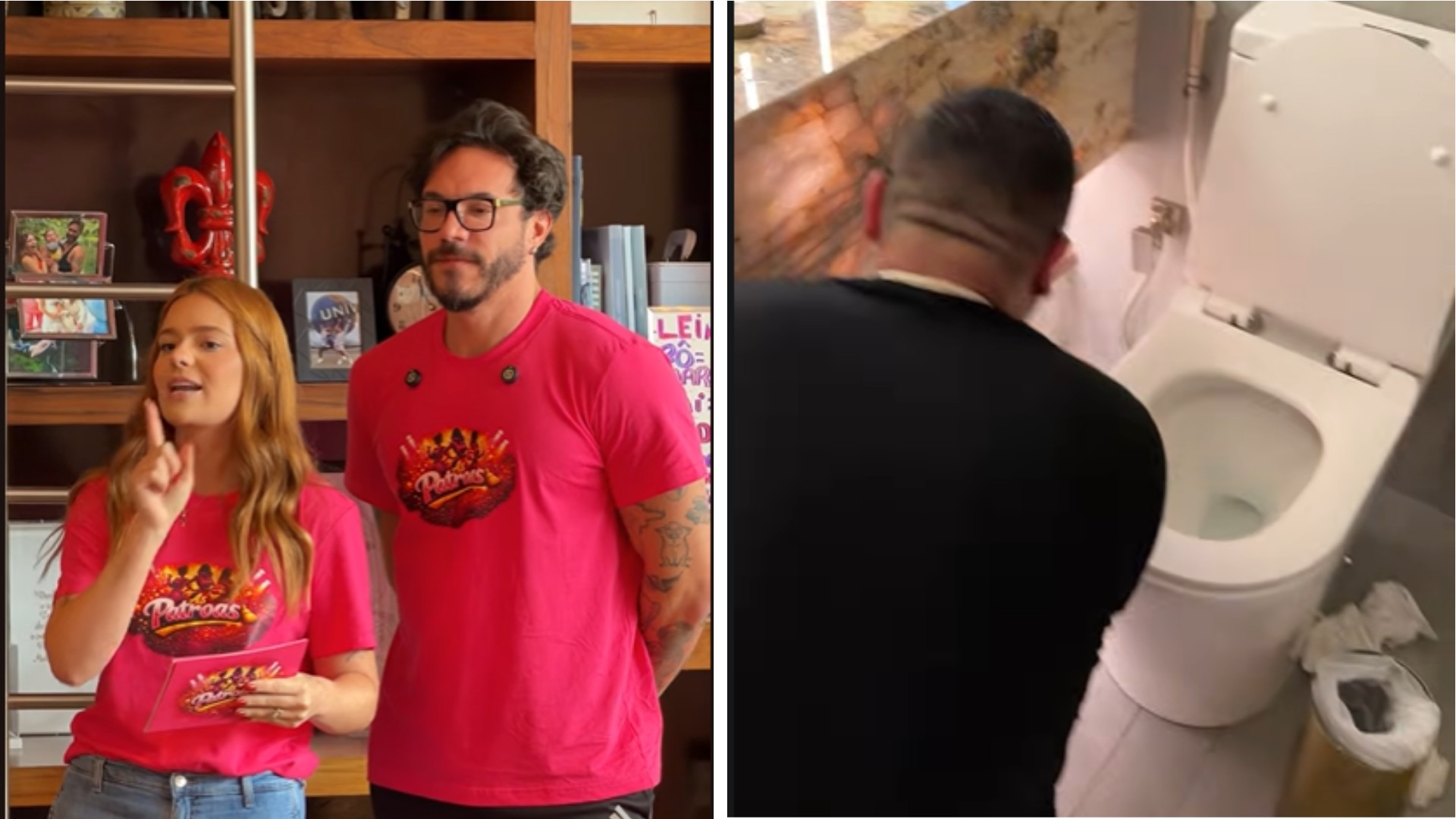
Brazilian influencers Viih Tube and Eliezer have released the first of three educational videos on domestic workers' rights as part of a settlement with the Public Prosecutor's Office for Labor (MPT). This initiative follows controversy surrounding their reality show "As Patroas," which featured 11 household employees competing in challenges for prizes. The MPT investigated potential labor rights violations due to the public exposure and commercial use of the employees' images. As part of the agreement, the couple will pay R$ 350,000 in collective moral damages and remove all related content from their platforms. The settlement also prohibits them from creating or distributing content that exposes domestic workers to humiliating situations, even with consent, and forbids encouraging employee participation in similar productions. Future audiovisual appearances for workers must be voluntary, written, and without penalty for refusal, with no retaliation for those who report irregularities. The R$ 350,000 will be allocated to a public fund for collective interest projects, not directly to the involved workers. Viih Tube has publicly apologized for any offense caused and explained that they can no longer film or publish their daily routines with their domestic staff, a condition of the agreement. The employees reportedly understood the decision, though they were saddened by the reality show's cancellation.
This case highlights the evolving landscape of influencer marketing and its intersection with labor laws. The settlement, involving public education and a collective damages payment, suggests a shift towards restorative justice and public awareness over punitive measures for content creators. The agreement's stipulations, particularly regarding voluntary participation and prohibition of humiliating content, underscore the growing scrutiny of how digital platforms can exploit labor, even within seemingly informal arrangements. Future content creation by influencers will likely face increased pressure to adhere to ethical labor practices and transparent consent protocols, driven by both regulatory oversight and public expectation in the digital age.
AI-generated to prompt reflection — not editorial opinion, not advice, not a statement of fact. How this works.
