Informal Footpath Businesses Hamper Economic Growth in Dhaka
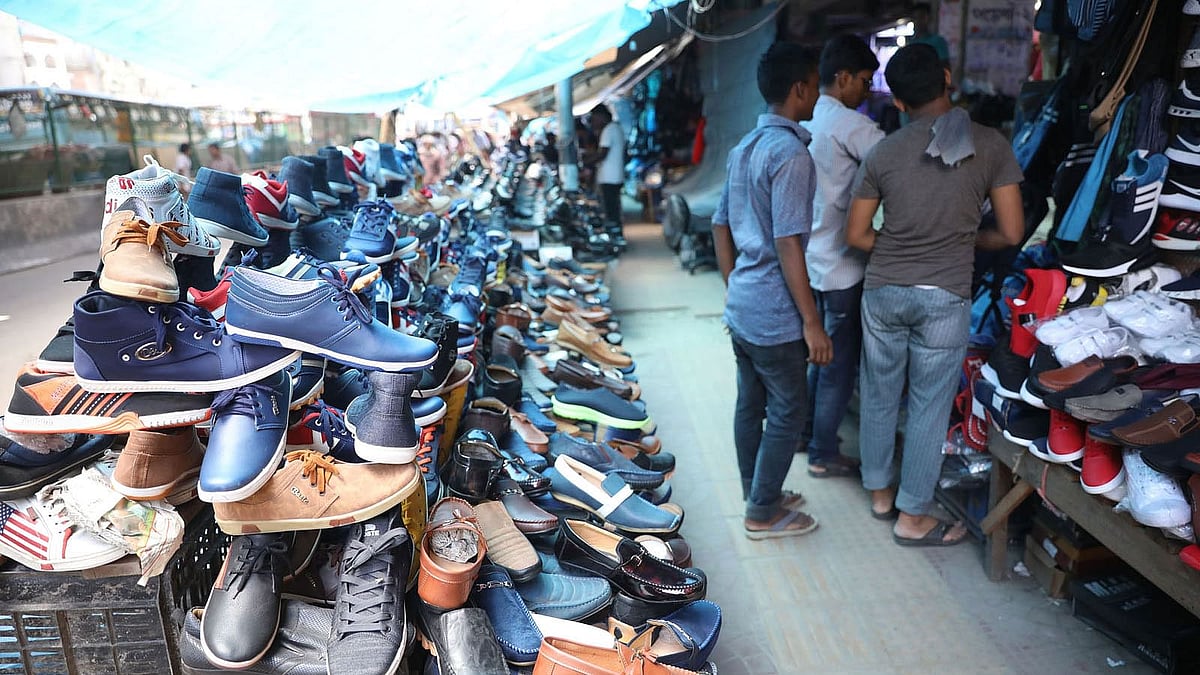
Authorities in Dhaka have intensified efforts to clear footpaths of illegal vendors, a move widely welcomed for potentially improving urban mobility. While the immediate impact is seen as reducing pedestrian obstruction, the issue has significant, unquantified economic implications. The author highlights a lack of data on daily transactions, employment figures, alternative livelihoods, and the overall economic contribution of footpath businesses. This absence of research hinders a comprehensive understanding of the sector's role and impact.
Illicit footpath trading results in substantial revenue loss for the government, as vendors operate without licenses or taxes. This disadvantages legitimate businesses that comply with regulations, pay taxes, and obtain trade licenses, leading them to lose customers and face financial strain. The situation creates a cycle where compliant businesses may increase prices to compensate, pushing consumers back towards cheaper, unregulated goods. Furthermore, the ease of operating informally has devalued the labor market, allowing vendors to bypass regulations and often operate under the protection of political factions and extortionists. Many are mobile and involved in illicit activities, making them difficult for law enforcement to identify.
These informal businesses also contribute to resource wastage and safety hazards. They often illegally tap into electricity, leading to power wastage and posing fire risks, as evidenced by past incidents of electrocution during heavy rains. The use of gas cylinders for food stalls on footpaths presents a significant public safety threat. Moreover, the encroachment on footpaths forces pedestrians onto roadways, increasing traffic congestion and encouraging the use of short-distance transport like rickshaws and e-bikes. The author suggests that reclaiming footpaths could help reduce the number of these vehicles, restoring order to the streets. Finally, the informal sector draws labor away from productive industries, exacerbating shortages in agriculture and manufacturing, while Dhaka's economy is fundamentally production-oriented. The author advocates for initiatives to integrate these vendors into the formal economy, potentially through rural employment programs and accessible credit, coupled with counseling.
The extensive informal economy operating on Dhaka's footpaths represents a complex challenge where immediate urban order clashes with deeply embedded economic realities. While clearing these spaces offers tangible benefits for public movement and potentially reduces unregulated economic activity, it overlooks the systemic factors that drive this sector. The lack of official data on transactions and employment within this informal trade highlights a significant governance gap, preventing targeted policy interventions. The author's critique points to a distortion of market dynamics, where compliant businesses are disadvantaged, and a de facto subsidy exists for unregulated operators through avoidance of taxes and regulatory costs. This situation not only deprives the state of revenue but also hinders the development of a more robust, formal economy. Addressing this requires more than enforcement; it necessitates strategies that facilitate formalization, provide viable alternative livelihoods, and acknowledge the economic contributions, however informal, of a large segment of the population, aligning with the need for inclusive economic development in the coming decade.
AI-generated to prompt reflection — not editorial opinion, not advice, not a statement of fact. How this works.