Infrastructure Project Delays Due to Legal Complexities, Minister Gautam States
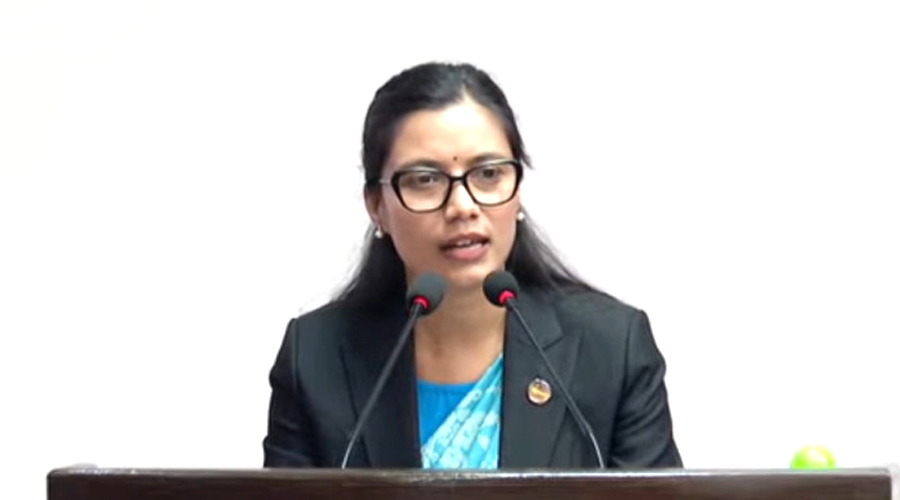
Minister of Law, Justice, and Parliamentary Affairs, Sobita Gautam, stated that infrastructure projects have been delayed due to overly complex and restrictive public procurement laws. Responding to questions from members of the National Assembly on Saturday, June 22, 2024, concerning the Public Procurement (Second Amendment) Bill, 2083 (2026 BS), presented on behalf of Prime Minister Balen Shah, she explained that these legal hurdles have hindered timely project completion. The government aims to address these issues through the proposed amendment. The bill seeks to streamline the procurement process, which has been identified as a significant bottleneck in Nepal's development efforts. The minister emphasized that the current legal framework often leads to protracted bidding processes and contract disputes, further exacerbating delays. The second amendment is intended to introduce more flexibility and efficiency, thereby accelerating the execution of crucial infrastructure projects across the country. This legislative effort is a direct response to persistent challenges faced in delivering public works on schedule.
The statement highlights a common challenge in public administration: the tension between robust legal frameworks designed for accountability and the need for agile execution in development projects. Overly prescriptive procurement laws, while intended to prevent corruption and ensure fairness, can inadvertently create bureaucratic inertia. This situation underscores the systemic challenge of balancing regulatory oversight with operational efficiency. The proposed legislative amendment suggests a recognition of this imbalance, aiming to inject flexibility into the system. Future iterations of procurement laws will likely need to continuously adapt to technological advancements and evolving project management methodologies, ensuring that legal structures support, rather than impede, national development goals in the digital age.
AI-generated to prompt reflection — not editorial opinion, not advice, not a statement of fact. How this works.