Infrastructure projects in Barisal and Rangpur face delays and cost overruns, while Khulna project is canceled
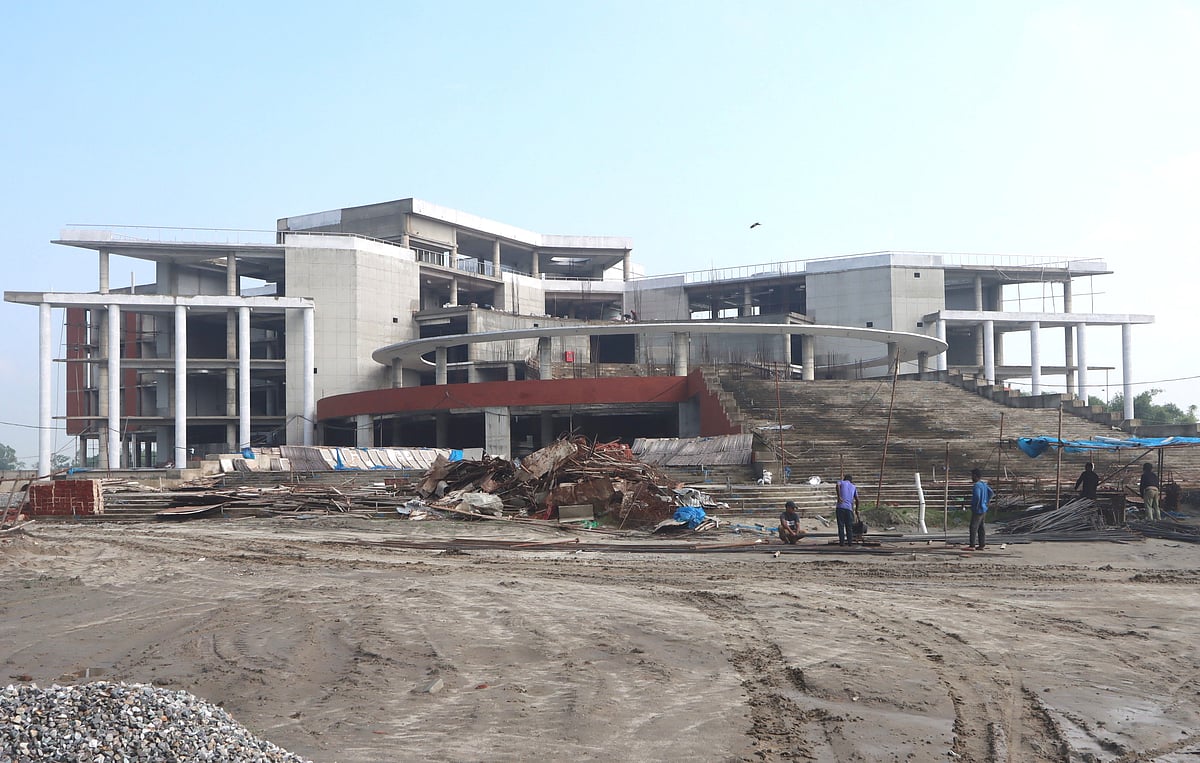
Infrastructure projects in Barisal and Rangpur, Bangladesh, are experiencing delays and increased costs, despite visible progress. The primary bottleneck appears to be the import of technological equipment, which continues to face significant hurdles. Meanwhile, a project in Khulna has been canceled after a decade of land-related disputes, sparking anger among local residents. The prolonged land acquisition issues in Khulna have led to the project's termination, causing frustration and disappointment in the community. The situation highlights ongoing challenges in project execution and land management within the country's development initiatives. The delays in Barisal and Rangpur, coupled with the cancellation in Khulna, suggest systemic issues affecting the timely and efficient completion of infrastructure development.
The persistent delays and cost escalations in the Barisal and Rangpur infrastructure projects, alongside the decade-long land dispute leading to the Khulna project's cancellation, point to systemic inefficiencies. These issues may stem from procurement processes, particularly concerning technological equipment imports, and protracted land acquisition procedures. Such challenges can undermine investor confidence and divert resources from potentially more viable initiatives. Moving forward, a review of regulatory frameworks governing project approvals, land titling, and import logistics could mitigate future delays and cancellations. This would foster a more predictable environment for development and ensure public funds are utilized effectively, aligning with national development goals and the demands of an increasingly complex global economic landscape.
AI-generated to prompt reflection — not editorial opinion, not advice, not a statement of fact. How this works.