Injured Shohei Ohtani's Two-Way Play Questioned as Dodgers Lead Division
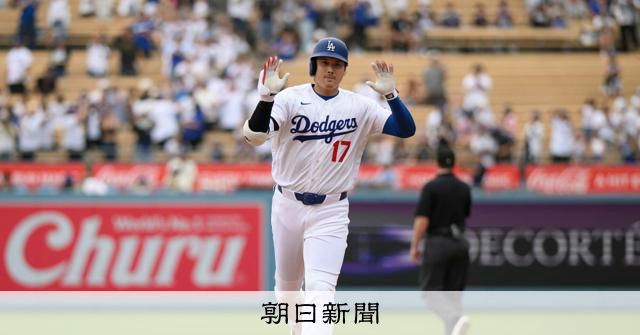
Shohei Ohtani, the star player for the Los Angeles Dodgers, is currently dealing with an injury, raising questions about his ability to continue performing as a full two-way player. Despite this challenge, the Dodgers have established a significant lead in their division, heading into the second half of the season with considerable momentum. Ohtani's injury status is a primary concern for the team and its fans, as his dual role as a pitcher and hitter is a cornerstone of the Dodgers' strategy and appeal. The team's strong performance, however, suggests a deep roster and effective management capable of navigating individual player setbacks. The upcoming games will be crucial in determining how the Dodgers manage Ohtani's workload and whether he can maintain his effectiveness in both pitching and hitting capacities. His continued participation in both roles is vital for the team's postseason aspirations. The league is closely watching how this situation unfolds, given Ohtani's unique talent and impact on the sport. The Dodgers' ability to maintain their lead without a fully operational Ohtani will be a testament to their overall team strength.
The situation surrounding Shohei Ohtani's injury and its impact on his two-way capabilities presents a complex challenge for the Los Angeles Dodgers. From a strategic perspective, the team must balance the immediate need for competitive performance with the long-term health and availability of their most valuable asset. The Dodgers' current divisional lead provides a potential buffer, allowing for more conservative management of Ohtani's playing time, which could mitigate further injury risk. However, relying heavily on a division lead without a fully engaged star player introduces systemic risk, as other teams may gain ground if Ohtani's contribution is significantly diminished. The league's evolving understanding of player load management and the long-term effects of repetitive high-intensity actions, particularly for athletes performing at elite levels in multiple disciplines, will be tested. This scenario underscores the growing importance of data-driven player evaluation and predictive analytics in professional sports to optimize performance while safeguarding player well-being in the face of unprecedented athletic demands.
AI-generated to prompt reflection — not editorial opinion, not advice, not a statement of fact. How this works.