Inmate killed during police convoy ambush near Bolivia border
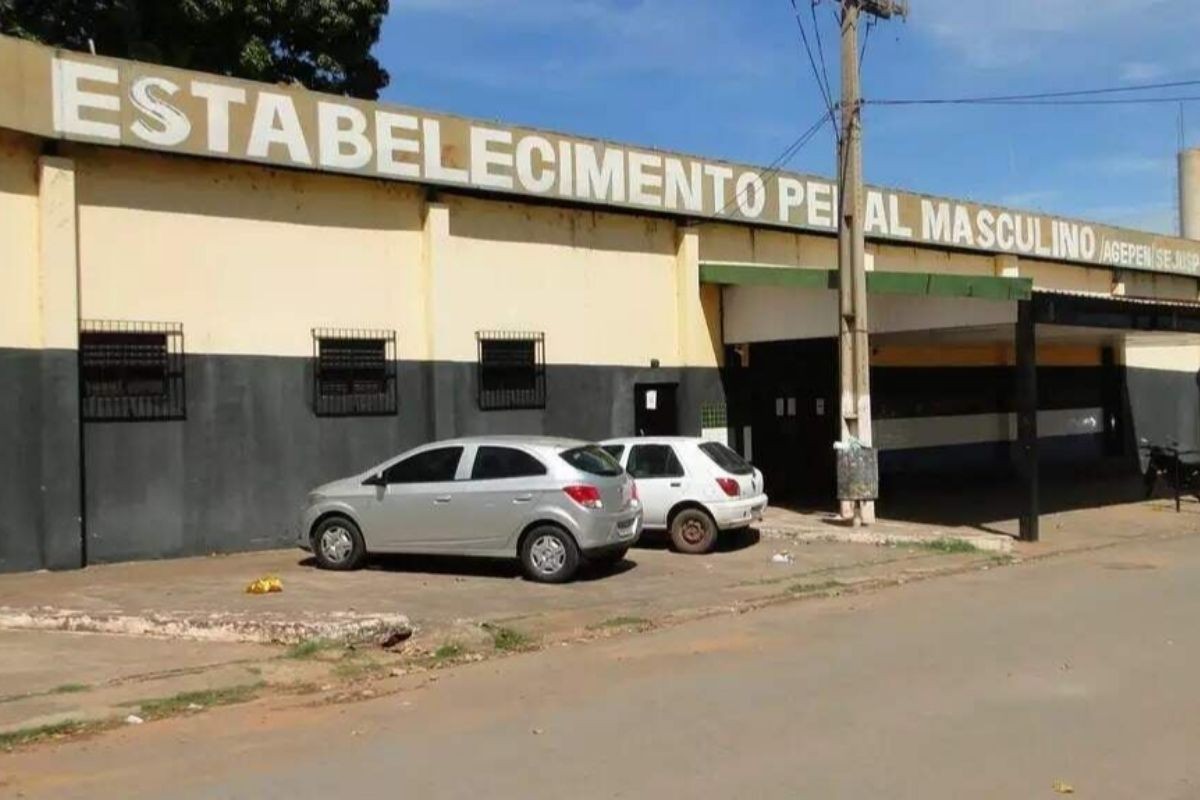
An inmate died on Saturday, May 4th, when a police convoy transferring him from the Corumbá prison in Mato Grosso do Sul to Campo Grande was attacked. The incident occurred as police teams stopped at a service station on the outskirts of Corumbá for vehicle maintenance. They heard gunfire originating from a wooded area. Responding to the attack, police engaged in a shootout with the assailants. During the exchange of fire, the inmate being transported was struck by a bullet and succumbed to his injuries at the scene. No police officers were harmed. Preliminary investigations suggest the attack may be linked to a dispute between criminal factions operating in the border region. The deceased inmate was reportedly involved in conflicts with other criminal groups and had enemies in the area straddling the Brazil-Bolivia border. While this factional dispute is the primary theory, authorities are continuing to investigate all circumstances surrounding the ambush. Following the confrontation, special police units searched the wooded area for the perpetrators, with additional police resources deployed to aid the search. As of the report's publication, no suspects had been apprehended, and the identity of the deceased inmate had not been officially released.
This incident highlights the persistent challenges of inter-factional violence spilling over into public security operations, particularly in border regions. The attempt to assassinate an inmate during a transfer suggests a sophisticated level of intelligence gathering and operational capability by criminal organizations. The event underscores the vulnerability of law enforcement convoys and the complex security environment shaped by transnational organized crime. Future strategies may need to incorporate enhanced intelligence sharing, advanced tactical planning for inmate transfers, and potentially more robust security measures to mitigate risks posed by these well-resourced groups. Addressing the root causes of factional power struggles and improving socio-economic conditions in affected border communities could offer long-term solutions to reduce such violent incidents.
AI-generated to prompt reflection — not editorial opinion, not advice, not a statement of fact. How this works.