Innovative Fire Prevention: Livestock, Olive Groves, and Controlled Burns
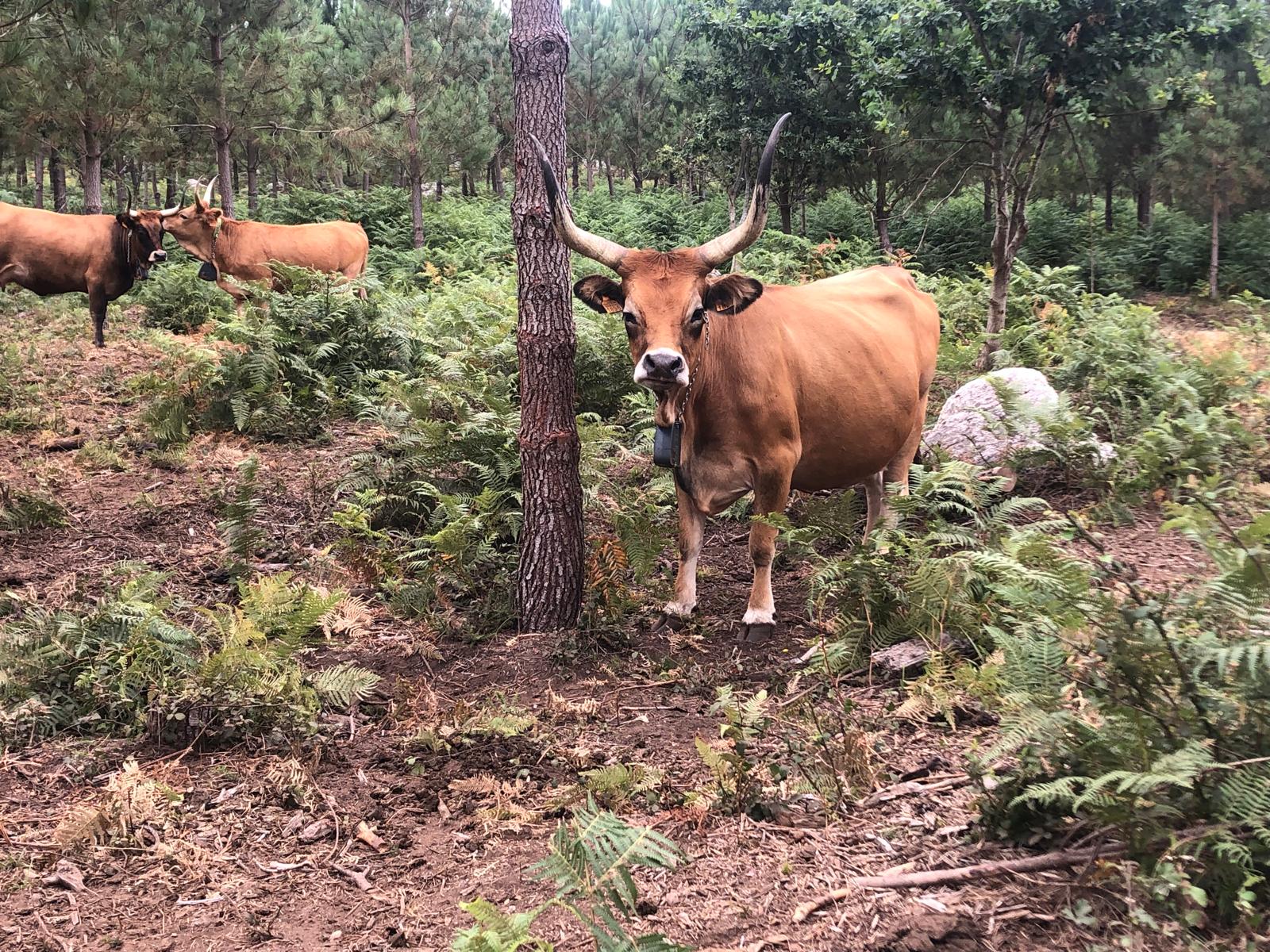
New strategies are gaining traction in fire prevention, moving beyond traditional methods. These innovative approaches include utilizing livestock, such as goats and cows, as natural firebreaks. The concept involves strategically grazing animals in vulnerable areas to reduce flammable vegetation. Additionally, traditional agricultural practices like maintaining olive groves are being repurposed for fire management. The dense canopy and cleared undergrowth of olive groves can act as natural barriers against the spread of wildfires. In some controlled circumstances, allowing fires to burn in very specific, monitored zones is also being considered as a method to clear out fuel loads and prevent larger, uncontrolled blazes. These diverse tactics aim to create a more resilient landscape against the increasing threat of wildfires.
The adoption of livestock grazing, traditional agriculture, and controlled burns represents a shift towards ecological and integrated fire management strategies. These methods leverage natural processes and historical land use patterns to mitigate wildfire risk, potentially reducing reliance on solely suppression-based approaches. The effectiveness of these strategies hinges on careful planning, precise execution, and understanding local ecosystem dynamics. Over the next decade, as climate change intensifies wildfire seasons, these nature-based solutions may become increasingly critical, offering a more sustainable and cost-effective alternative to conventional firefighting. However, successful implementation requires robust monitoring systems and community engagement to balance ecological benefits with safety concerns.
AI-generated to prompt reflection — not editorial opinion, not advice, not a statement of fact. How this works.