Inquiry Questions Motives Behind Andrea Johnson's 'Project Diversion' Against Top Police Officials
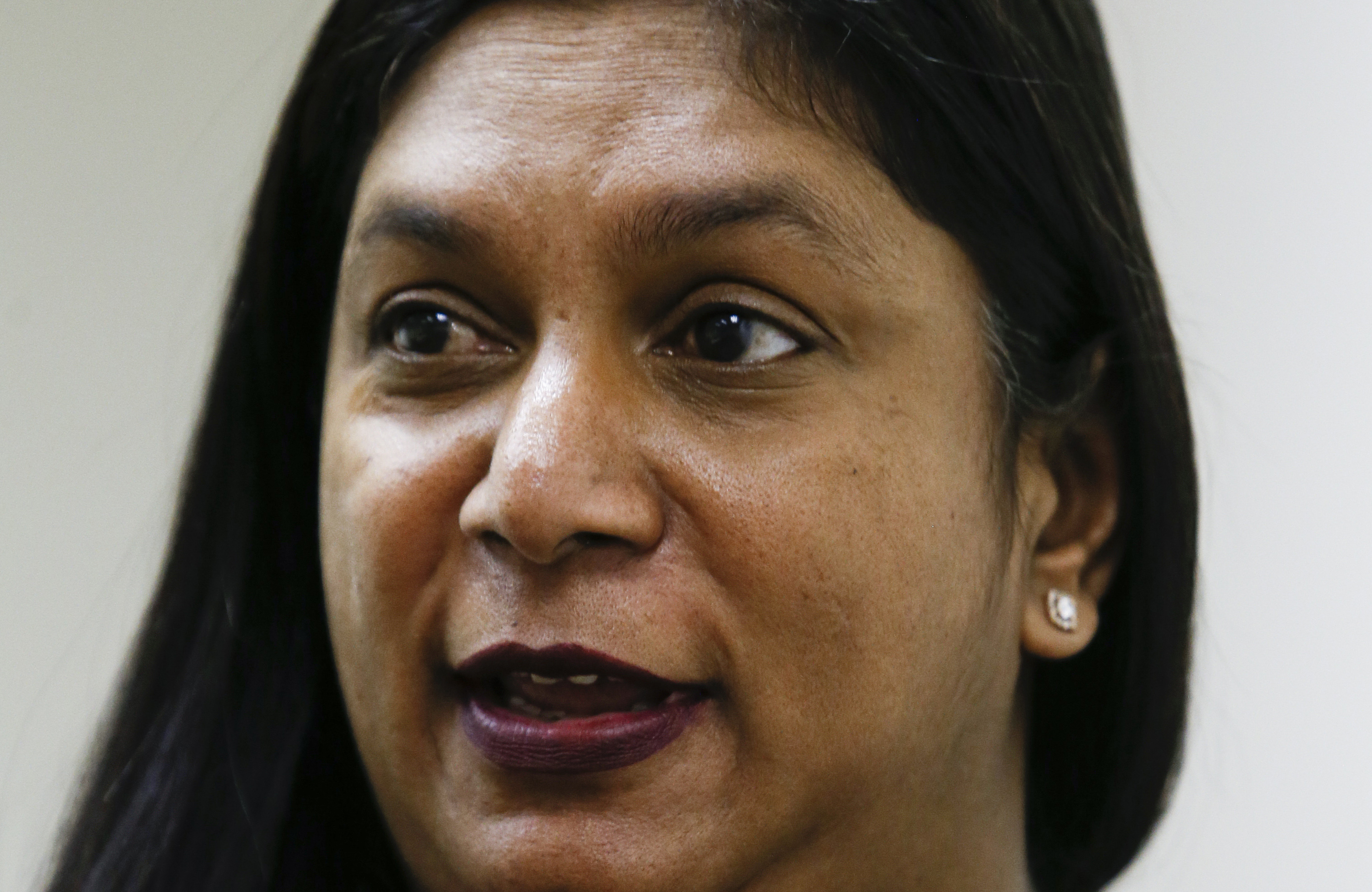
An inquiry into former Independent Directorate of Public Prosecutions (IDPP) head Andrea Johnson's conduct has raised significant questions about 'Project Diversion.' Initially focused on whether Johnson exercised poor judgment, the investigation now probes whether the project was designed with predetermined objectives from its outset, rather than being based on concrete evidence. The Madlanga Commission is examining the origins and execution of 'Project Diversion,' which appears to have targeted high-ranking police officials. The core of the inquiry is to determine if the project's foundation was biased, potentially undermining its legitimacy and the integrity of the investigation. This shift in focus suggests a deeper concern about potential misconduct or abuse of power within the IDPP under Johnson's leadership. The commission's findings could have significant implications for the trust placed in prosecutorial bodies and their oversight mechanisms.
The Madlanga Commission's examination of 'Project Diversion' highlights a critical governance challenge: ensuring that investigative and prosecutorial initiatives are driven by objective evidence rather than potential personal or institutional biases. The inquiry's focus on predetermined objectives versus evidence-based processes is crucial for maintaining public trust in law enforcement and judicial systems. In the evolving landscape of AI-augmented investigations, robust oversight mechanisms are paramount to prevent the weaponization of state power and ensure fairness. The commission's work serves as a reminder of the need for transparent accountability structures that can scrutinize the foundational integrity of such projects, thereby safeguarding against systemic errors and fostering a more equitable application of justice in the long term.
AI-generated to prompt reflection — not editorial opinion, not advice, not a statement of fact. How this works.