Insect Larvae Survive Extreme Depths in Lake Malawi Using Unique Adaptations
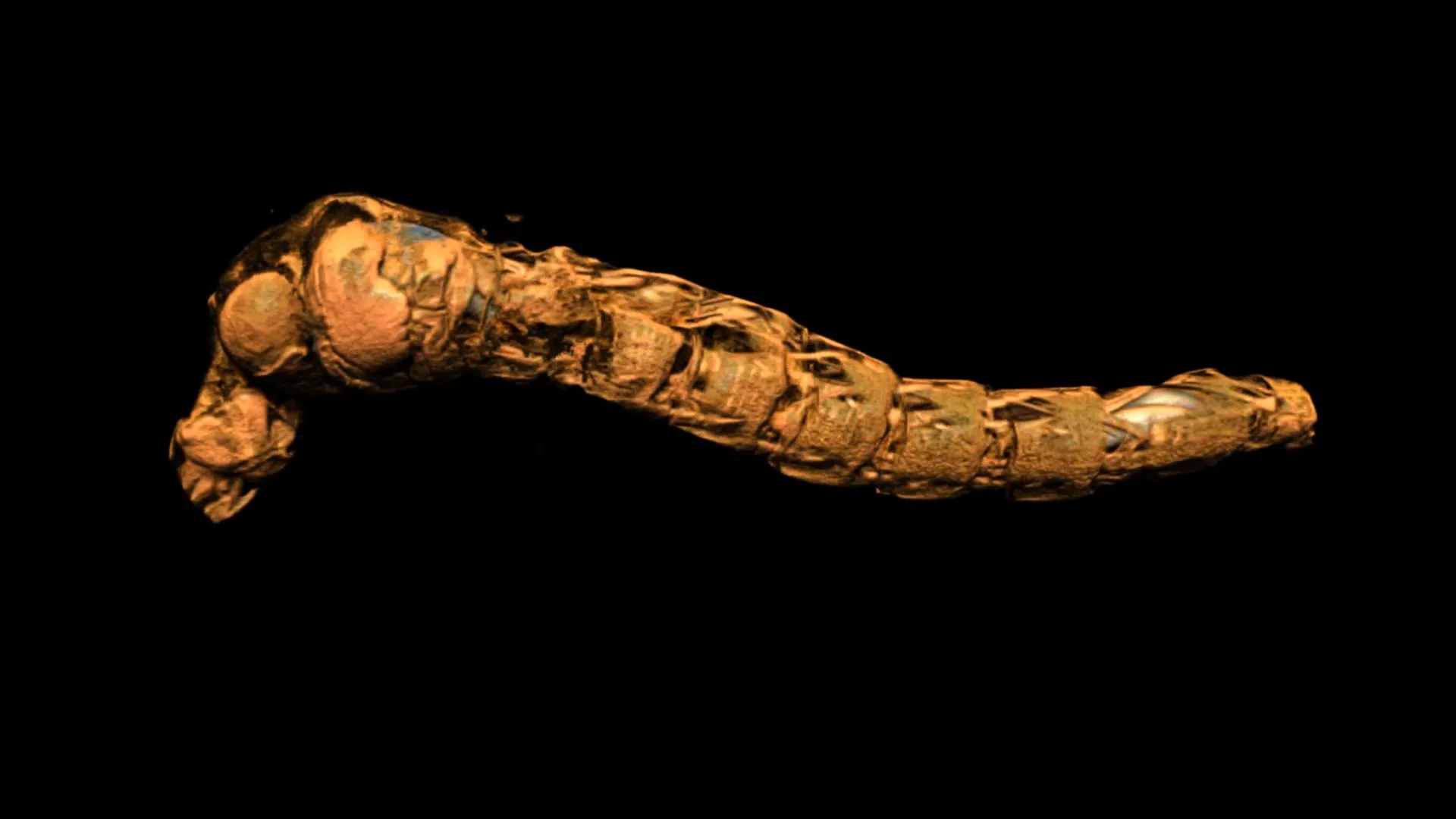
Larvae of the lake fly have demonstrated remarkable resilience by surviving depths exceeding 200 meters in Lake Malawi. These insect submariners descend daily to these extreme depths to evade predators. They utilize specialized, tiny air sacs to meticulously control their buoyancy and depth within the water column. A key component of this adaptation is a rubber-like substance known as resilin. This material allows the larvae to adjust the size of their air sacs by altering the pH levels within their bodies. This biological mechanism enables them to withstand pressures that would typically be lethal to most insects. The extraordinary survival capabilities of these larvae challenge long-held scientific assumptions. Specifically, their ability to thrive in such deep aquatic environments questions the prevailing explanation for the absence of insects in the vast expanses of the open ocean.
The survival mechanisms of lake fly larvae in extreme depths of Lake Malawi present a compelling case study in biological adaptation. Their ability to regulate buoyancy and withstand immense pressure using resilin and pH-controlled air sacs offers a novel perspective on insect physiology. This challenges established ecological theories regarding insect distribution, particularly their scarcity in open ocean environments. Future research may explore whether similar adaptations exist in other extreme aquatic ecosystems or if these larvae represent a unique evolutionary pathway. Understanding these systems could inform biomimicry applications in materials science and submersible design, highlighting nature's capacity for innovation under pressure.
AI-generated to prompt reflection — not editorial opinion, not advice, not a statement of fact. How this works.