Insect larvae use 'airbags' to descend into Lake Malawi's deadly depths
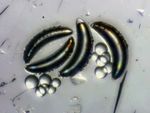
Larvae of certain midge species have been observed using a unique method to descend into the deep, oxygen-poor waters of Lake Malawi, a region known as the 'death zone'. A research team documented these larvae utilizing specialized 'airbags' to control their descent. These air sacs are filled with a gas that allows the larvae to sink slowly, avoiding predation by fish that inhabit the upper layers of the lake. The material used to form these air sacs is of particular interest to the medical field due to its unique properties. This discovery sheds light on the remarkable adaptations of insect larvae to survive in extreme aquatic environments. The research highlights the complex ecological interactions within Lake Malawi, where even the smallest organisms exhibit sophisticated survival strategies.
This observation reveals a fascinating evolutionary adaptation where insect larvae have developed a biological mechanism akin to 'airbags' for controlled descent into challenging aquatic environments. The utilization of these structures suggests a sophisticated response to predatory pressures and resource availability in Lake Malawi's 'death zone'. The material's potential medical applications warrant further investigation, highlighting how biological innovations can have cross-disciplinary benefits. Understanding these survival strategies provides insight into the resilience of life in extreme conditions and the intricate food webs within large freshwater ecosystems. This phenomenon underscores the importance of biodiversity research in uncovering novel biological processes with potential technological and medical relevance.
AI-generated to prompt reflection — not editorial opinion, not advice, not a statement of fact. How this works.