Inside an Anti-Foreigner March: Tactics, Targets, and Police Presence
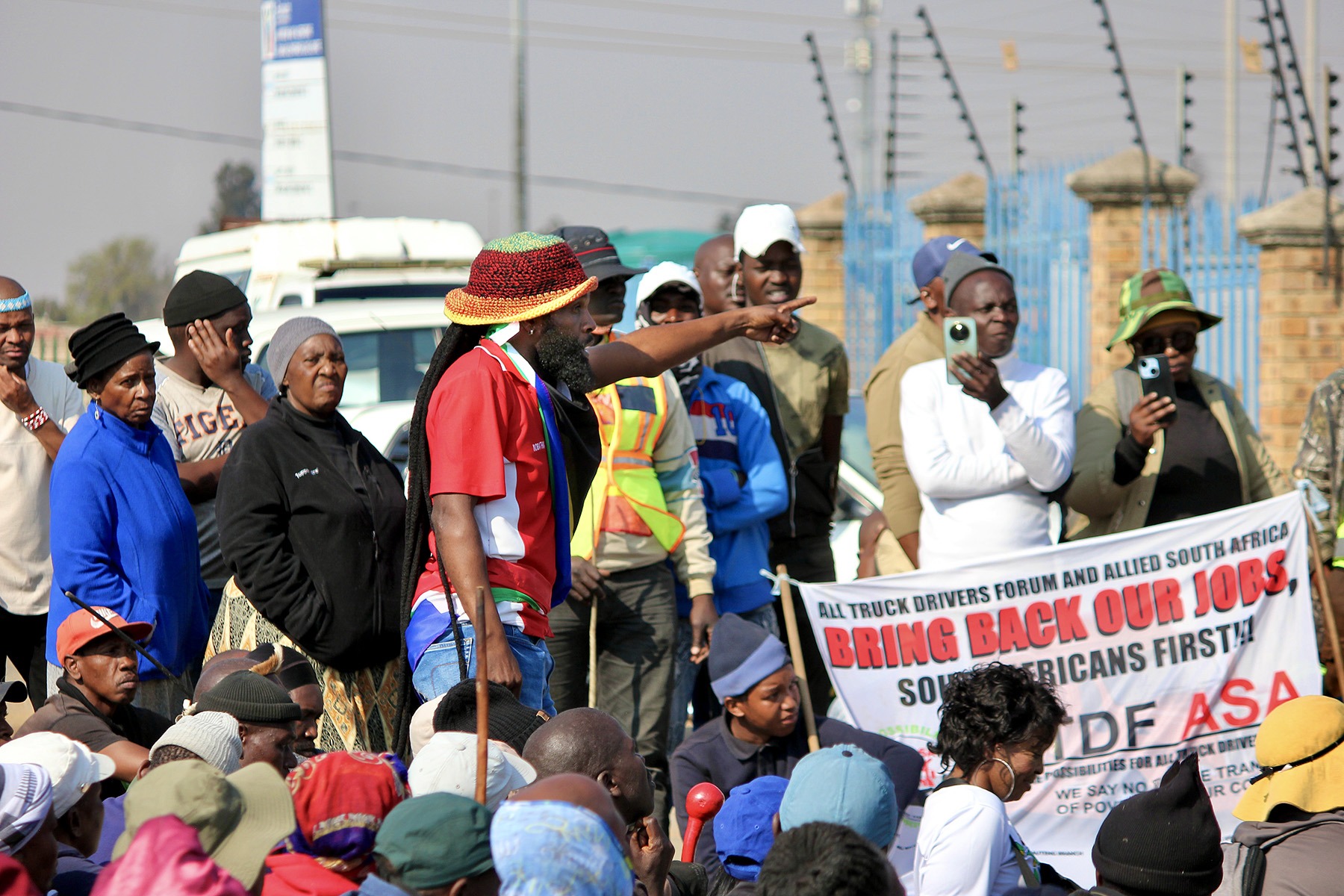
A reporter's notebook details a day spent observing anti-foreigner demonstrators in Tsakane, Gauteng, South Africa. The observations reveal the methods employed by these groups to mobilize supporters and identify foreign nationals as targets. The marchers aim to pressure foreign nationals into leaving South Africa. This activity occurred over several weeks, with the specific day described taking place under the watch of the police. The reporter's presence provided an inside look at the organization and execution of these demonstrations, highlighting the direct intimidation tactics used against foreign residents. The narrative suggests a pattern of such marches occurring in the region, with this particular event offering a snapshot of their operational dynamics. The underlying sentiment appears to be a call for foreign nationals to depart the country, with visible police oversight during the march.
This event highlights the complex interplay between social unrest, xenophobia, and law enforcement in South Africa. The mobilization tactics observed suggest a degree of organization within anti-foreigner movements, which seek to exert pressure on foreign nationals and influence public sentiment. The presence of police during these marches raises questions about the state's role in managing such demonstrations, balancing public order with the protection of vulnerable groups. Future analysis should consider the long-term economic and social implications of sustained xenophobic sentiment, as well as the effectiveness of current policing strategies in deterring intimidation and violence. Understanding the root causes of such grievances, including economic disparities and competition for resources, is crucial for developing sustainable solutions that foster social cohesion and respect for human rights.
AI-generated to prompt reflection — not editorial opinion, not advice, not a statement of fact. How this works.