Inside Hungary's Unused Youth Correctional Facility Built by the Orbán Government
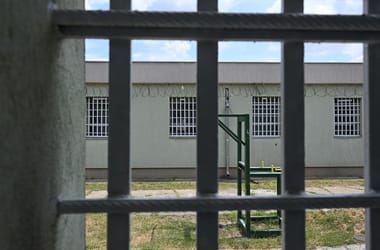
Hungarian news outlet HVG gained exclusive access to a newly constructed facility within the Tököl prison complex, intended by the Orbán government to house young offenders. This state-of-the-art institution, equipped with all necessary amenities, was ultimately never occupied. The report highlights the facility as a stark reminder of both the scandal surrounding the Szőlő street institution and the unresolved issues faced by teenagers on the path to delinquency. HVG's photo essay documents the intended location for children as young as 12 to 14 years old. The unused complex symbolizes a significant governmental investment that failed to serve its purpose, raising questions about planning and execution in youth correctional services. The situation underscores a broader challenge in addressing the root causes of juvenile crime and providing effective rehabilitation. The empty building stands as a monument to a policy decision that did not materialize, leaving a gap in the care system for vulnerable youth. The report implicitly questions the efficacy and foresight of such large-scale, yet ultimately abandoned, state projects.
The unused correctional facility represents a significant public expenditure that failed to fulfill its intended purpose, highlighting potential issues in governmental planning and resource allocation for youth rehabilitation. The decision to house young offenders within a high-security prison complex, even in a separate section, raises questions about the efficacy of such an environment for rehabilitation and reintegration into society. This situation prompts consideration of alternative, more rehabilitative approaches and the systemic factors contributing to juvenile delinquency. Future policy decisions should prioritize evidence-based practices and long-term societal impact over potentially costly, underutilized infrastructure projects, ensuring that resources are directed towards effective interventions for at-risk youth.
AI-generated to prompt reflection — not editorial opinion, not advice, not a statement of fact. How this works.