Inside Salman Khan's Lavish Panvel Farmhouse: A Private Oasis
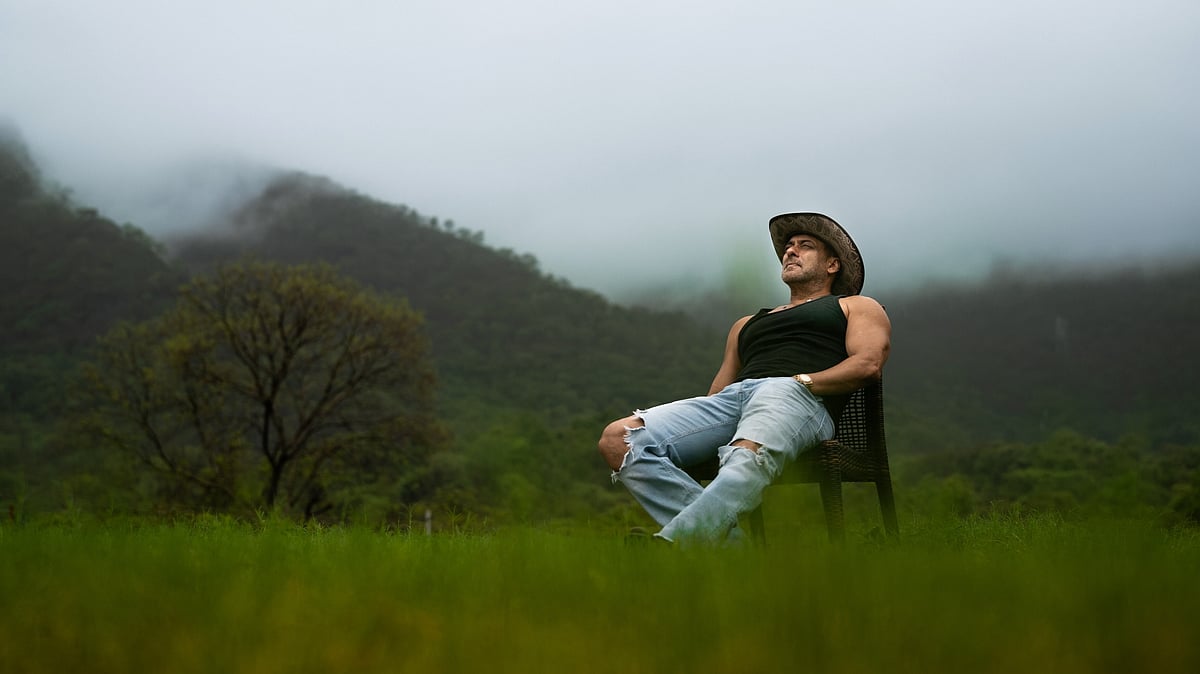
Actor Salman Khan's sprawling farmhouse in Panvel, located approximately 60 kilometers from Mumbai, is a cherished retreat for the Bollywood star. His brother-in-law, actor Ayush Sharma, recently joked that once you visit the farm, you can't leave until Khan permits. This remark has renewed interest in the property, which Khan frequently uses to escape his busy schedule and spend time in nature. During the COVID-19 lockdown, Khan spent a significant period at the farmhouse with his family, engaging in farming activities, horseback riding, and enjoying the natural surroundings. Photos shared on social media at the time showcased these moments. The farm boasts extensive paddy fields, gardens, and cultivation areas, where Khan actively participates in farming, including driving a tractor and planting saplings. It is also home to various animals such as horses, cows, goats, and rabbits, and previously housed eleven horses. The property features a large swimming pool, an artificial lake, small hills, and a natural environment, creating a distinct world away from the city. Beyond personal relaxation, the farmhouse serves as a venue for family gatherings and celebrations, including many of Khan's birthday parties. Khan also utilizes the farm for his philanthropic efforts, managing relief and food aid operations and aspects of his 'Being Hungry' initiative from there. His daily routine at the farm includes exercise, horseback riding, painting, and nature walks, demonstrating his active engagement even when not working.
The extensive resources and personal engagement Salman Khan dedicates to his Panvel farmhouse highlight a growing trend among high-profile individuals to cultivate private, self-sufficient retreats. This phenomenon reflects a desire for control over personal environment and a connection to nature amidst demanding public lives. The farm's multifaceted use—from personal sanctuary and agricultural pursuit to philanthropic hub—underscores the potential for such estates to serve diverse functions. As urban environments become more saturated and digital connectivity blurs work-life boundaries, the appeal of these rural havens is likely to persist, offering a model for managing well-being and impact outside traditional corporate or entertainment structures. The ability to actively participate in cultivation and animal husbandry also speaks to a broader societal re-evaluation of food sources and sustainable living practices, even for those with significant wealth.
AI-generated to prompt reflection — not editorial opinion, not advice, not a statement of fact. How this works.