Inside the Bank of Japan: How Governor Kuroda Pushed Through Negative Rates Amidst Internal Opposition
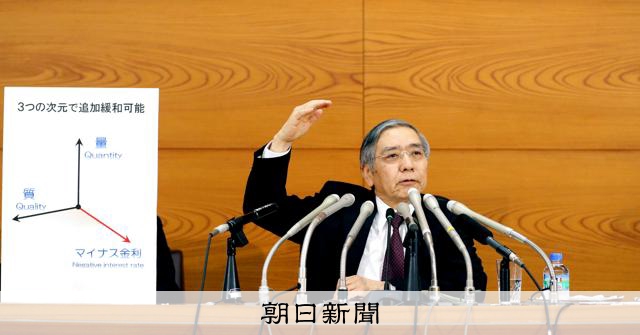
The Bank of Japan's decision to implement negative interest rates was met with significant internal dissent, with a narrow 5-4 vote revealing the contentious debate. Governor Haruhiko Kuroda faced opposition even from colleagues, referred to as 'comrades,' within the central bank. This internal struggle highlights the significant challenges and divisions the bank experienced during this policy shift.
The policy, which aimed to stimulate the economy by charging commercial banks for holding excess reserves, was a departure from traditional monetary policy. The close vote suggests that the decision was not unanimous and that there were strong arguments against it among the policymakers. The details of this 5-4 confrontation offer a glimpse into the internal workings and decision-making processes of the Bank of Japan under Governor Kuroda's leadership.
The Bank of Japan's adoption of negative interest rates, despite internal opposition, illustrates the lengths to which central banks may go to combat deflationary pressures. The close 5-4 vote underscores the inherent risks and uncertainties associated with unconventional monetary policy tools. Such decisions often involve a trade-off between stimulating economic activity and potential unintended consequences, such as impacting financial institutions' profitability or distorting market signals. Looking ahead, the effectiveness and long-term implications of these policies will continue to be debated as economies navigate the evolving landscape of global finance and the increasing influence of technological advancements on monetary policy transmission.
AI-generated to prompt reflection — not editorial opinion, not advice, not a statement of fact. How this works.