Inside the DNA Lab: Identifying Fallen Soldiers
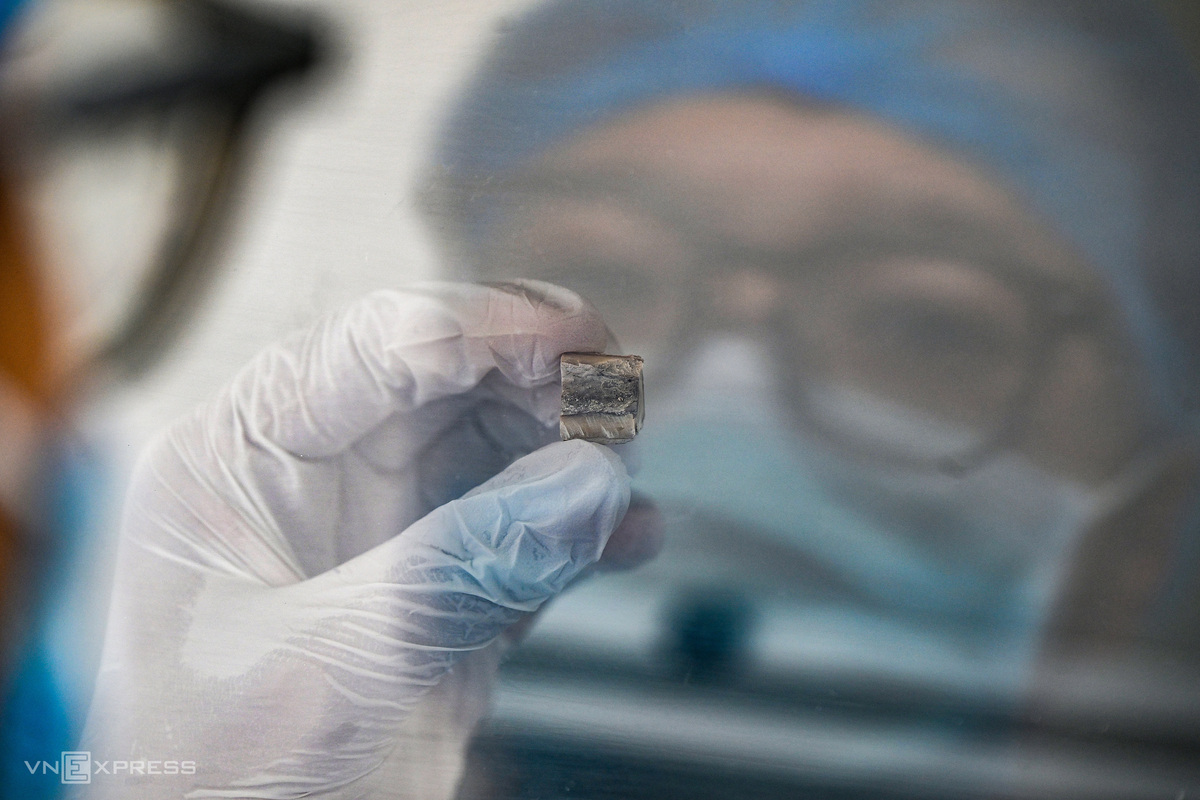
Technicians meticulously process bone samples from fallen soldiers, many of whom have lain in the earth for decades. This complex procedure, involving nearly ten distinct steps, is akin to searching for a needle in a haystack. The ultimate goal is to restore the identities of these heroes. The process requires immense care and precision to extract usable DNA from degraded remains. Each successful identification is a significant achievement, bringing closure to families and honoring the sacrifices made. The lab plays a crucial role in accounting for missing soldiers and providing a sense of peace to those awaiting answers. This painstaking work ensures that the fallen are not forgotten and their contributions are recognized.
The meticulous DNA identification process for fallen soldiers highlights a persistent challenge in accounting for wartime casualties. This effort, while deeply humanitarian, also underscores the long-term societal costs of conflict and the importance of robust identification systems. As technology advances, the efficiency and accuracy of such forensic analyses will likely improve, potentially reducing the time and resources needed to identify remains. This process reflects a societal commitment to honoring sacrifice, but also raises questions about preparedness for future conflicts and the ethical considerations of handling human remains, particularly in the context of evolving digital and genetic technologies.
AI-generated to prompt reflection — not editorial opinion, not advice, not a statement of fact. How this works.