Inside the Matchbox Business: How Many Sticks in a 2 Rupee Box?
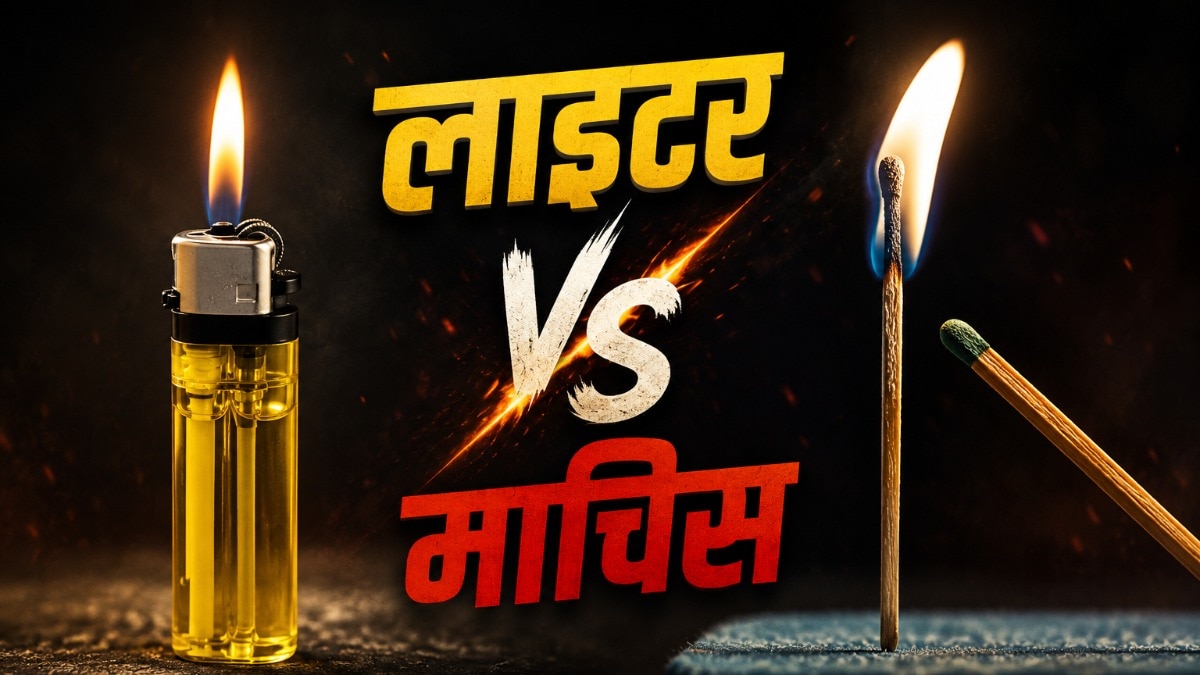
Despite the rise of lighters, the demand and business for matchboxes remain strong. While lighters are now common in kitchens, the question of where matchboxes are still used arises. The article delves into the economics and specifics of the matchbox industry, a product that continues to find its market despite technological advancements. It aims to explore the sustained relevance of this traditional item in everyday life and its business model. The focus is on understanding the operational aspects and consumer base for matchboxes in the current era.
The continued market presence of matchboxes alongside lighters highlights consumer preference diversity and the resilience of low-cost, simple technologies. This enduring demand suggests that factors beyond mere convenience, such as cultural practices, specific use cases (e.g., religious ceremonies, outdoor activities), and affordability, play a significant role in product longevity. The economic model for matchboxes likely relies on high-volume production and efficient distribution channels to maintain profitability at low price points. Future market dynamics may be influenced by sustainability concerns regarding raw materials and manufacturing processes, potentially creating opportunities for eco-friendly alternatives or further innovations within the traditional matchbox format.
AI-generated to prompt reflection — not editorial opinion, not advice, not a statement of fact. How this works.