Instagram's Perfect Summer Photos Can Harm Mental Well-being, Psychologist Warns
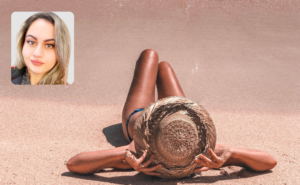
As summer arrives, social media platforms like Instagram become flooded with idealized images of perfect beaches, stunning sunsets, and exotic travel destinations, often accompanied by smiles. Psychologist Ramadani notes that observing these curated portrayals can lead many individuals to feel that their own lives are dull, less exciting, or less valuable in comparison. This phenomenon, driven by the constant exposure to seemingly flawless vacation experiences, can negatively impact one's peace of mind and self-perception. The psychologist offers advice on how to mitigate the detrimental effects of these unrealistic summer depictions. The core issue lies in the discrepancy between the carefully constructed online personas and the everyday realities of life. Ramadani's insights aim to help users maintain a healthier perspective while navigating the pressures of social media during the vacation season. The goal is to prevent these digital narratives from disrupting personal contentment and fostering feelings of inadequacy.
The pervasive nature of curated online content, particularly during leisure periods like summer, highlights a significant societal challenge in distinguishing aspirational imagery from lived reality. Platforms designed for social connection can inadvertently foster comparison and dissatisfaction by promoting an unattainable standard of happiness and success. This dynamic incentivizes the creation of idealized digital personas, potentially masking underlying personal struggles and contributing to a collective sense of inadequacy. As AI increasingly influences content creation and consumption, understanding and mitigating these psychological impacts will be crucial for fostering genuine well-being and resilience in the digital age. Encouraging critical media literacy and promoting authentic self-representation are key strategies for navigating this evolving landscape.
AI-generated to prompt reflection — not editorial opinion, not advice, not a statement of fact. How this works.