Installing Home EV Chargers Safely: A Guide for Tocantins Residents
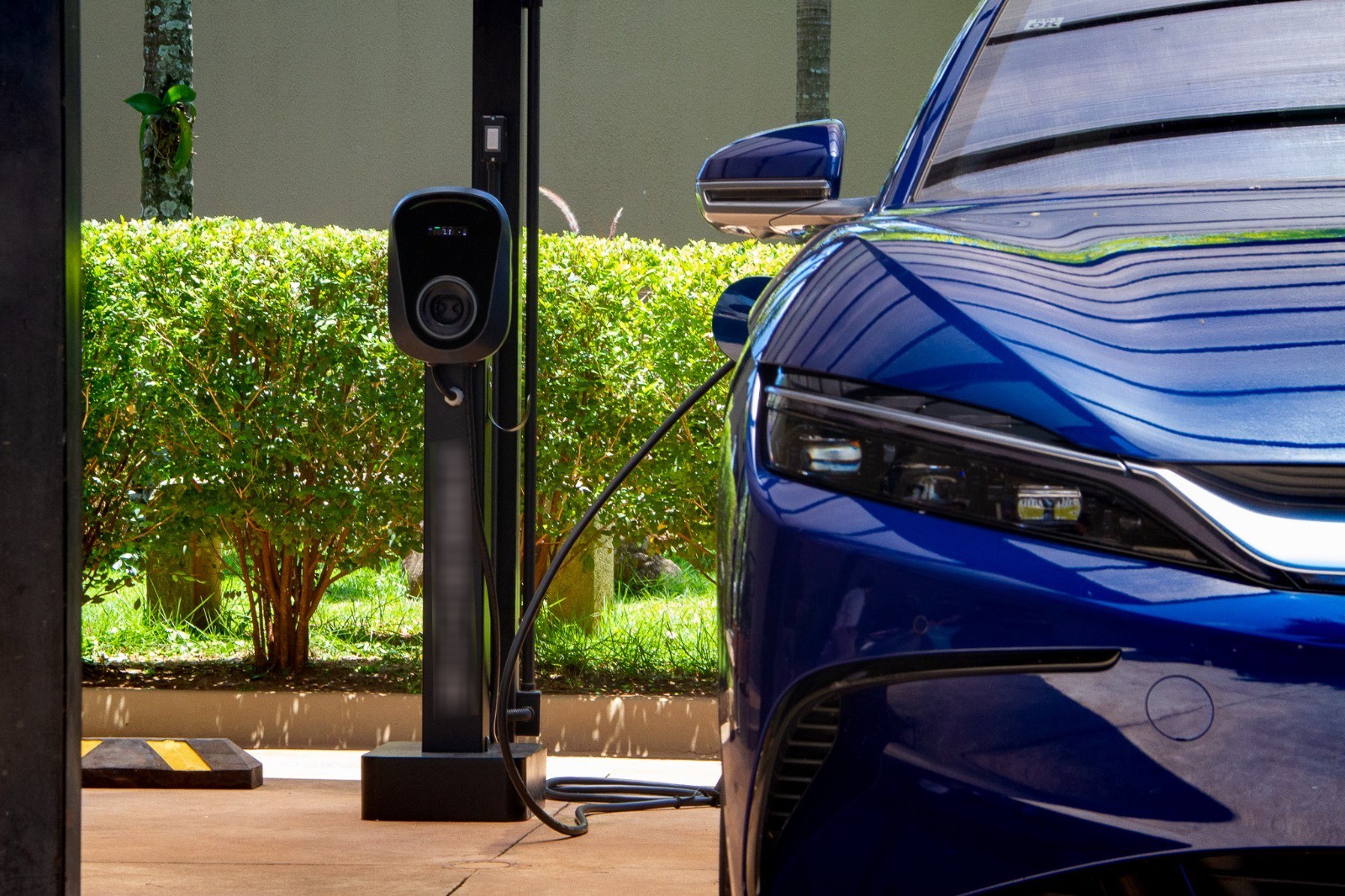
As the number of electric vehicles (EVs) grows in Tocantins, Brazil, so does the demand for residential EV chargers. The state has seen a significant increase in EV registrations, with 2,168 electrified vehicles currently on the road. A recent law exempts EVs and hybrid vehicles purchased in 2026 and 2027 from IPVA (vehicle ownership tax), with further reductions until 2030, further stimulating the market. To ensure safe installation of home charging equipment, residents must first notify their energy distributor, Energisa. This is crucial because EV chargers significantly increase a property's electrical load, requiring a technical assessment to confirm the home's internal wiring and the local grid can safely handle the demand. Energisa's evaluation will determine if upgrades to the home's power entry or the regional electrical network are necessary. The company recommends using certified equipment and hiring qualified professionals to mitigate risks of overloads, overheating, accidents, and power outages. Consumers will also need to provide required documentation, which may include specific forms and, for higher-power chargers, an electrical project plan. The load declaration can be submitted in person at Energisa agencies, by phone at 0800 721 3330, or via the Gisa WhatsApp at (63) 99222-6664. Following the request, Energisa will conduct its technical analysis and guide the consumer through the installation process.
The increasing adoption of electric vehicles necessitates robust infrastructure, including residential charging solutions. Tocantins' proactive approach to incentivizing EV purchases through tax exemptions, coupled with guidance on safe charger installation, addresses a critical aspect of this transition. However, the process highlights a potential systemic challenge: ensuring that existing electrical grids and individual home wiring can reliably and safely accommodate the amplified energy demands of widespread EV charging. This requires ongoing investment in grid modernization and clear, accessible technical standards for both consumers and installers. As EV penetration accelerates globally, the interplay between consumer demand, regulatory frameworks, and utility infrastructure capacity will be a key determinant of a smooth and equitable energy transition, demanding foresight in planning and equitable distribution of upgrade costs.
AI-generated to prompt reflection — not editorial opinion, not advice, not a statement of fact. How this works.