Insurance Scam Busted: Police Raid Six States Targeting Fake Theft Ring
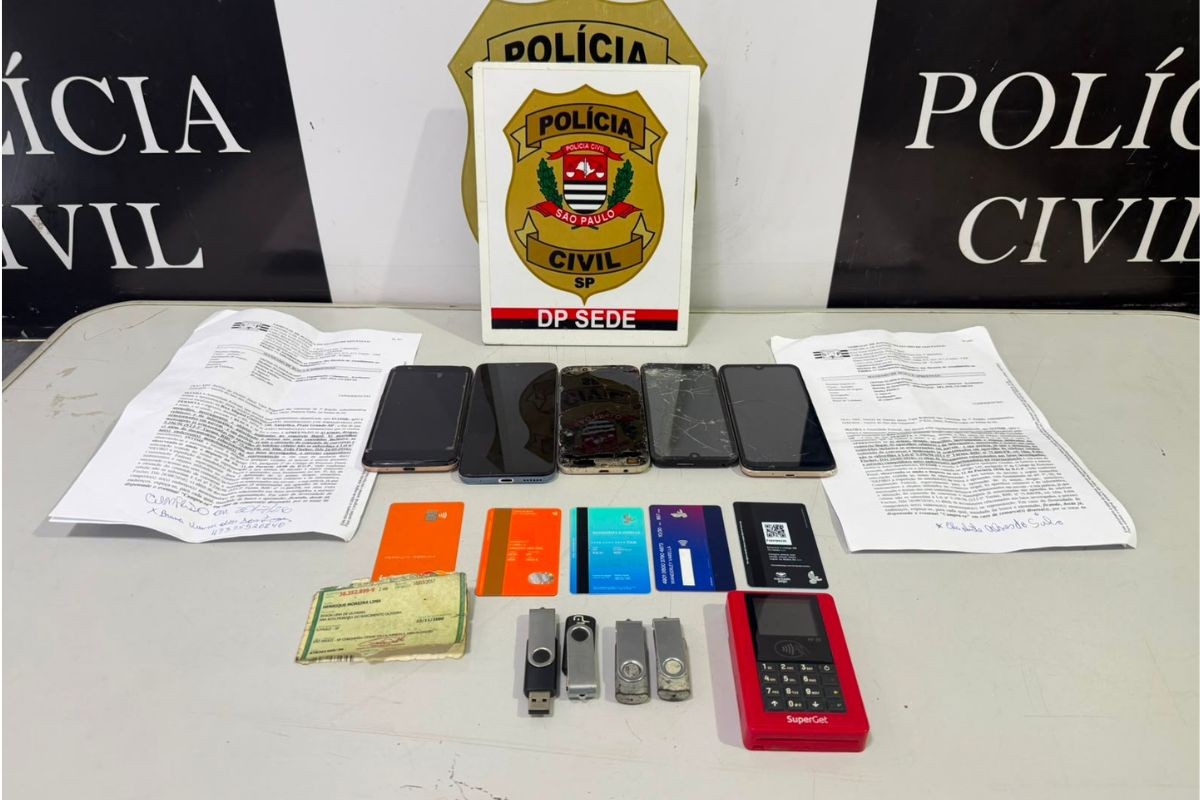
Brazilian Civil Police launched "Operation Mirage" on Monday, May 20th, executing 34 search and seizure warrants across six states to dismantle an alleged insurance fraud ring. The group is accused of recruiting vulnerable individuals to file false theft reports online. These fraudulent police reports were then used to claim insurance payouts from banks and insurance companies, with the illicit funds being divided among the perpetrators. The investigation was triggered after police identified 33 fake theft reports filed within a mere 40-day period. Notably, all these incidents were linked to a luxury condominium in Guarujá, on the coast of São Paulo, a volume of reports deemed highly improbable given the location's security measures. Beyond São Paulo, warrants were executed in Pará, Ceará, Minas Gerais, Rio de Janeiro, and Paraná. The criminal organization specifically targeted individuals facing financial hardship or credit difficulties, instructing them to file false theft reports through the electronic police station. These documents provided a veneer of legitimacy for the subsequent insurance claims. Upon successful claims, the money was deposited into accounts of those involved and subsequently distributed among intermediaries and the scheme's leaders. Judicial authorities have authorized the seizure of bank records and the freezing of financial assets. The operation aims to identify all members of the criminal organization, trace the flow of money, recover illegally obtained funds, and hold those responsible accountable.
This operation targets a sophisticated insurance fraud scheme that exploits financial vulnerabilities. The perpetrators leveraged digital reporting systems and potentially compromised legitimate processes to create a facade of stolen property, thereby defrauding financial institutions. The scale of the operation, spanning six states and involving numerous warrants, suggests a well-organized network. Future considerations for financial institutions and law enforcement include enhancing digital verification protocols to detect patterns of fraudulent reporting, particularly in high-security environments, and exploring systemic interventions to address the underlying economic precarity that makes individuals susceptible to recruitment by such schemes. The long-term challenge lies in balancing accessibility of reporting with robust fraud prevention mechanisms in an increasingly digitized world.
AI-generated to prompt reflection — not editorial opinion, not advice, not a statement of fact. How this works.