Integrating Magnets into 3D Prints: Seven Installation Methods
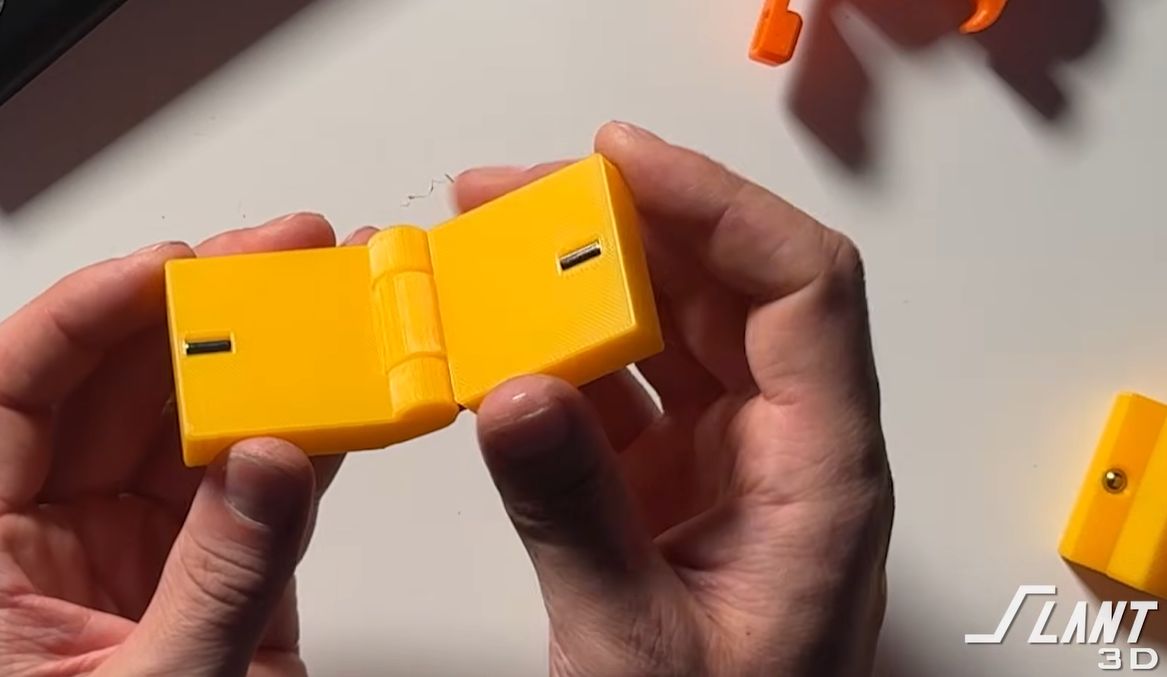
This article explores seven distinct methods for successfully incorporating magnets into 3D printed objects, addressing the common challenge of ensuring their long-term adhesion and functionality. The author highlights the inherent appeal of magnets for enhancing 3D prints, noting that their integration often presents difficulties, particularly concerning thermal creep. The piece aims to provide practical solutions and techniques for makers and hobbyists looking to leverage magnetic properties in their creations. It suggests that by understanding and applying these methods, users can overcome the technical hurdles associated with embedding magnets, leading to more robust and versatile 3D printed designs. The focus is on durable and effective installation, moving beyond simple adhesion to more integrated approaches.
The integration of magnets into 3D printed objects presents a practical challenge at the intersection of material science and additive manufacturing. Addressing thermal creep and ensuring robust magnetic coupling requires careful consideration of material compatibility, print settings, and post-processing techniques. Future advancements in 3D printing may involve specialized filament formulations or printer modifications designed to accommodate embedded components like magnets more seamlessly. Innovations in this area could lead to more sophisticated functional prints, impacting fields from robotics to consumer electronics by enabling modularity and integrated actuation or sensing capabilities. The development of standardized methods for embedding components could also lower the barrier to entry for complex functional designs.
AI-generated to prompt reflection — not editorial opinion, not advice, not a statement of fact. How this works.