Intel's Core 2 Duo Launch: 20 Years Since Performance Crown Was Reclaimed
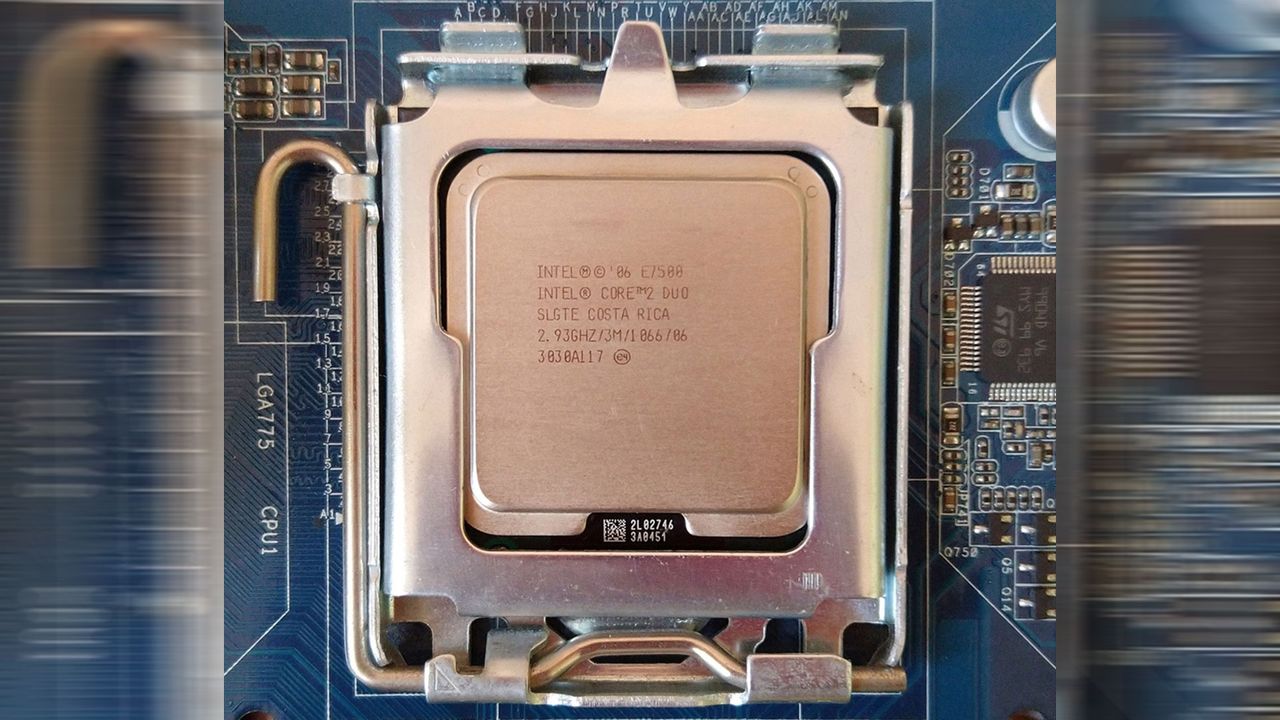
This week marks the 20th anniversary of the launch of Intel's Core 2 Duo processor family. Codenamed Conroe, this series of chips was instrumental in Intel regaining its performance leadership in the CPU market. The Core 2 Duo processors were highly anticipated and quickly established themselves as superior to AMD's Athlon processors of the time. This release is widely considered a pivotal moment for Intel, helping to restore its reputation and market position. The success of the Core 2 Duo family laid the groundwork for Intel's subsequent dominance in the processor space for many years. The launch effectively dethroned AMD's Athlon, signaling a significant shift in the competitive landscape of the semiconductor industry. The Core 2 Duo architecture was praised for its efficiency and raw power, making it a popular choice for both consumers and businesses. This anniversary serves as a reminder of Intel's engineering prowess and its ability to innovate during critical periods.
The 20th anniversary of the Core 2 Duo launch highlights a critical inflection point in the semiconductor industry's competitive dynamics. Intel's strategic repositioning with the Conroe architecture demonstrated the power of architectural innovation to reclaim market leadership. This event underscores the cyclical nature of technological supremacy, where sustained investment in research and development, coupled with astute product strategy, can rapidly alter market share. Looking forward, the industry continues to face similar pressures, with the ongoing AI revolution demanding unprecedented computational power and efficiency. Companies must navigate complex trade-offs between performance, power consumption, and manufacturing costs, while also considering the geopolitical landscape influencing supply chains and market access. The legacy of the Core 2 Duo serves as a case study in how decisive technological advancements can reshape industry paradigms.
AI-generated to prompt reflection — not editorial opinion, not advice, not a statement of fact. How this works.