Intel's XBM Patent Proposes New AI Memory Architecture to Cut Costs
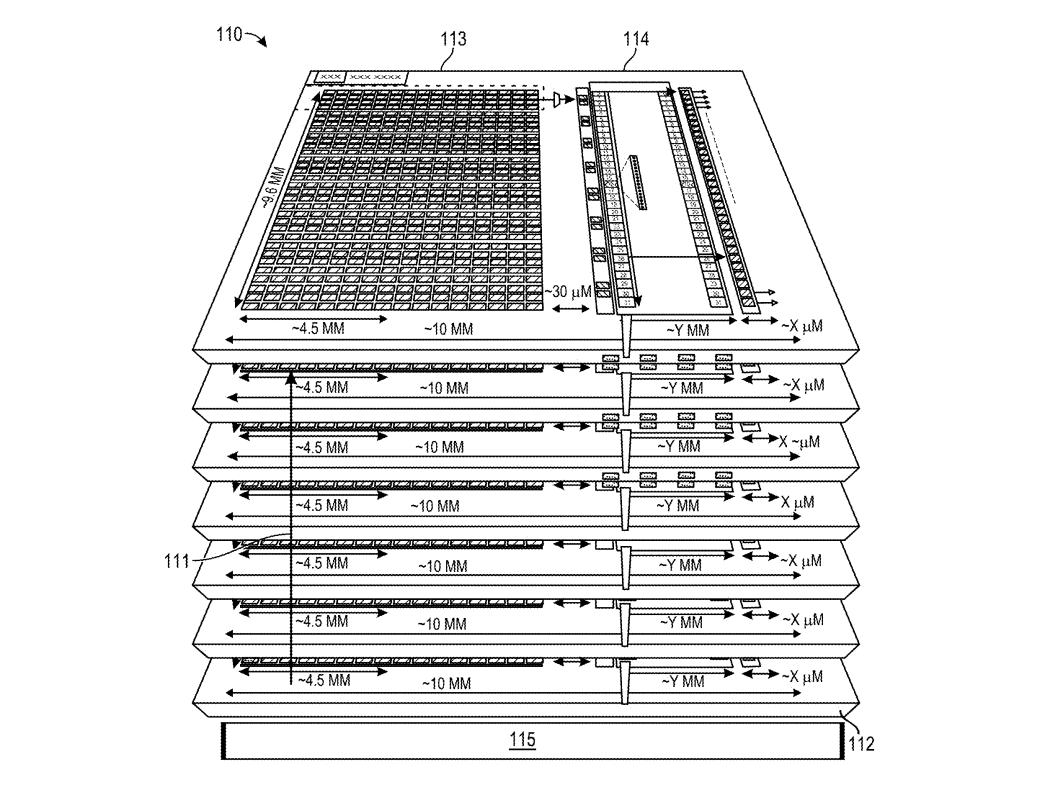
Intel has patented a new memory architecture, dubbed XBM, designed as an alternative to High Bandwidth Memory (HBM). This novel approach aims to address the significant costs and complexity associated with current HBM technology, which relies on expensive silicon interposers. Instead, XBM proposes utilizing backend-transistor DRAM, a configuration where the transistors are placed behind the memory cells. The architecture also incorporates UCIe (Universal Chiplet Interconnect Express) links, a standard for connecting chiplets, to facilitate communication. A key feature of XBM is its built-in repair logic, designed to enhance yield and reliability by addressing potential defects. Intel's innovation seeks to alleviate the memory bottleneck that often hinders the performance of artificial intelligence systems, potentially offering a more cost-effective and scalable solution for future AI hardware.
Intel's XBM patent represents a strategic move to re-architect memory solutions for AI workloads, aiming to circumvent the cost and manufacturing challenges of existing HBM technologies. By proposing a design that integrates DRAM differently and leverages chiplet interconnect standards like UCIe, Intel signals a potential shift towards more modular and cost-efficient AI hardware. The inclusion of built-in repair logic suggests an effort to improve manufacturing yields and long-term reliability, critical factors for scaling advanced computing. This development highlights the ongoing industry-wide pursuit of innovative memory architectures that can keep pace with the escalating demands of AI, balancing performance, cost, and manufacturability in a rapidly evolving technological landscape.
AI-generated to prompt reflection — not editorial opinion, not advice, not a statement of fact. How this works.