Intel to Launch 28-Core Nova Lake-S CPUs for Dunlow Workstation Platform
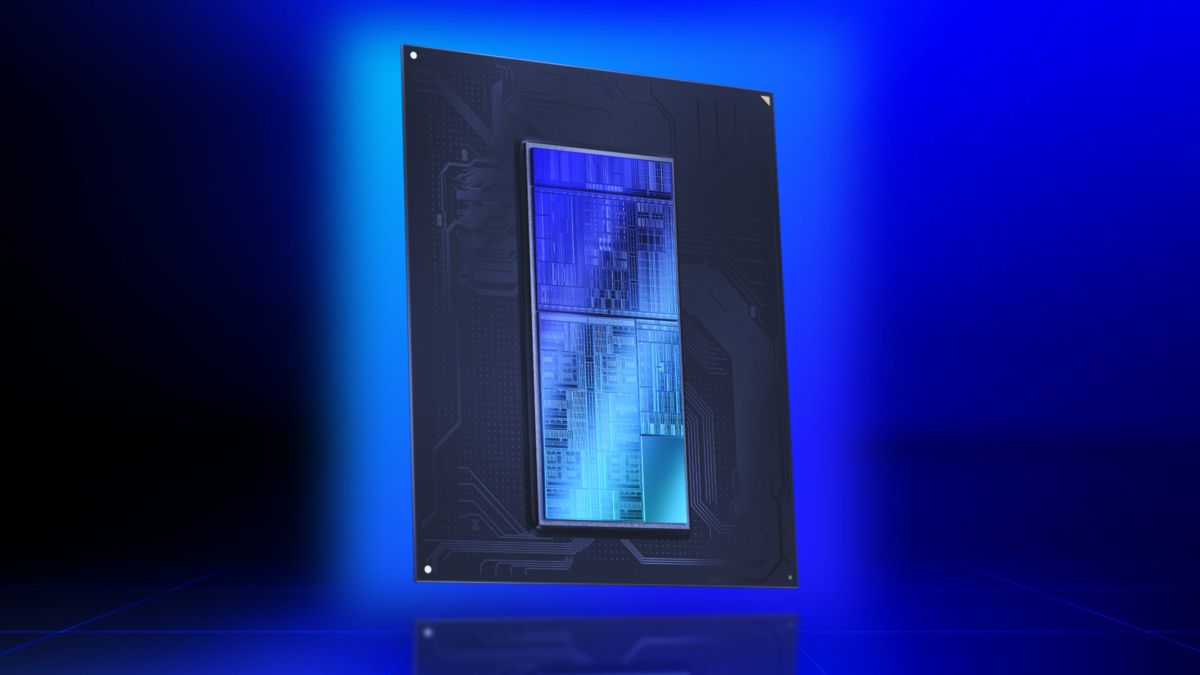
Intel is preparing to release its new Nova Lake-S processors, featuring up to 28 cores, designed for the upcoming Dunlow workstation and entry-level server platform. These new CPUs will utilize the LGA1954 socket, indicating a significant change in the physical interface for Intel's workstation-grade processors. The Dunlow platform is expected to target the segment of the market that requires substantial processing power for professional applications but may not need the full capabilities of higher-end Xeon offerings. This move suggests Intel's strategy to offer more granular performance options within its Xeon lineup, catering to a wider range of professional users. The introduction of a new socket also implies potential architectural advancements or increased power delivery requirements for these next-generation processors. Further details on the specific clock speeds, cache configurations, and other features of the Nova Lake-S CPUs are anticipated as the launch date approaches.
Intel's development of the Nova Lake-S CPUs and the Dunlow platform, featuring a 28-core design and the new LGA1954 socket, reflects an ongoing effort to segment its Xeon offerings. This strategy aims to provide tailored performance and cost-effectiveness for specific market niches, such as entry-level workstations and servers. By introducing new socket designs, Intel signals evolving architectural requirements and potential performance ceilings for future processor generations. The company's focus on modularity and differentiated product lines is a response to competitive pressures and the diverse demands of the professional computing landscape, particularly as AI workloads necessitate increasingly specialized hardware. This approach allows Intel to address a broader spectrum of user needs, from cost-sensitive entry-level deployments to high-performance computing environments.
AI-generated to prompt reflection — not editorial opinion, not advice, not a statement of fact. How this works.