Intense El Niño May Shorten Hurricane Season, Experts Say
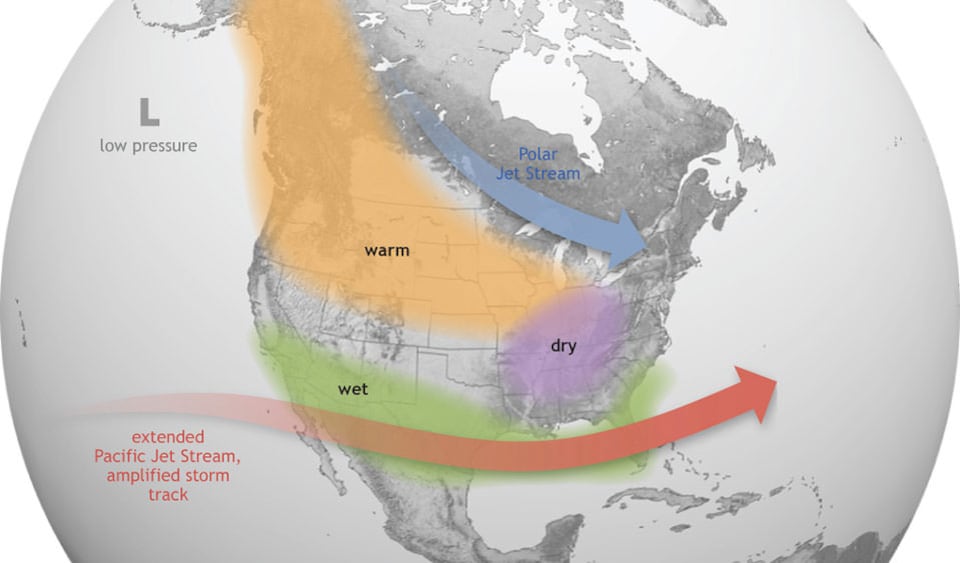
Experts are explaining how an intense El Niño phenomenon could lead to an earlier end for the hurricane season. This weather pattern is predicted to reduce hurricane activity in October, potentially accelerating the closure of the Atlantic hurricane cycle. El Niño's influence typically involves warmer sea surface temperatures in the eastern and central Pacific Ocean. However, its effects on the Atlantic basin can be complex, sometimes leading to increased wind shear which disrupts hurricane formation. This year, the intensity of El Niño is a key factor being monitored by meteorologists. They are analyzing its potential impact on storm development and the overall duration of the season. The shift in atmospheric conditions associated with El Niño could mean fewer storms forming or developing into major hurricanes. This forecast suggests a potentially less active period for tropical cyclones in the Atlantic as the season progresses towards its traditional end. The precise timing and extent of this reduction in activity are subjects of ongoing scientific study and prediction.
The projected impact of an intense El Niño on hurricane season duration highlights the intricate relationship between global climate patterns and regional weather events. Understanding these teleconnections is crucial for refining seasonal forecasts and improving disaster preparedness. The phenomenon underscores the sensitivity of weather systems to oceanic and atmospheric oscillations, prompting a need for continuous monitoring and advanced modeling. As climate change potentially alters the frequency and intensity of both El Niño events and hurricane seasons, adaptive strategies in infrastructure and policy will become increasingly vital over the next decade.
AI-generated to prompt reflection — not editorial opinion, not advice, not a statement of fact. How this works.