Intense sugarcane harvest in São José do Rio Preto region operates 24/7
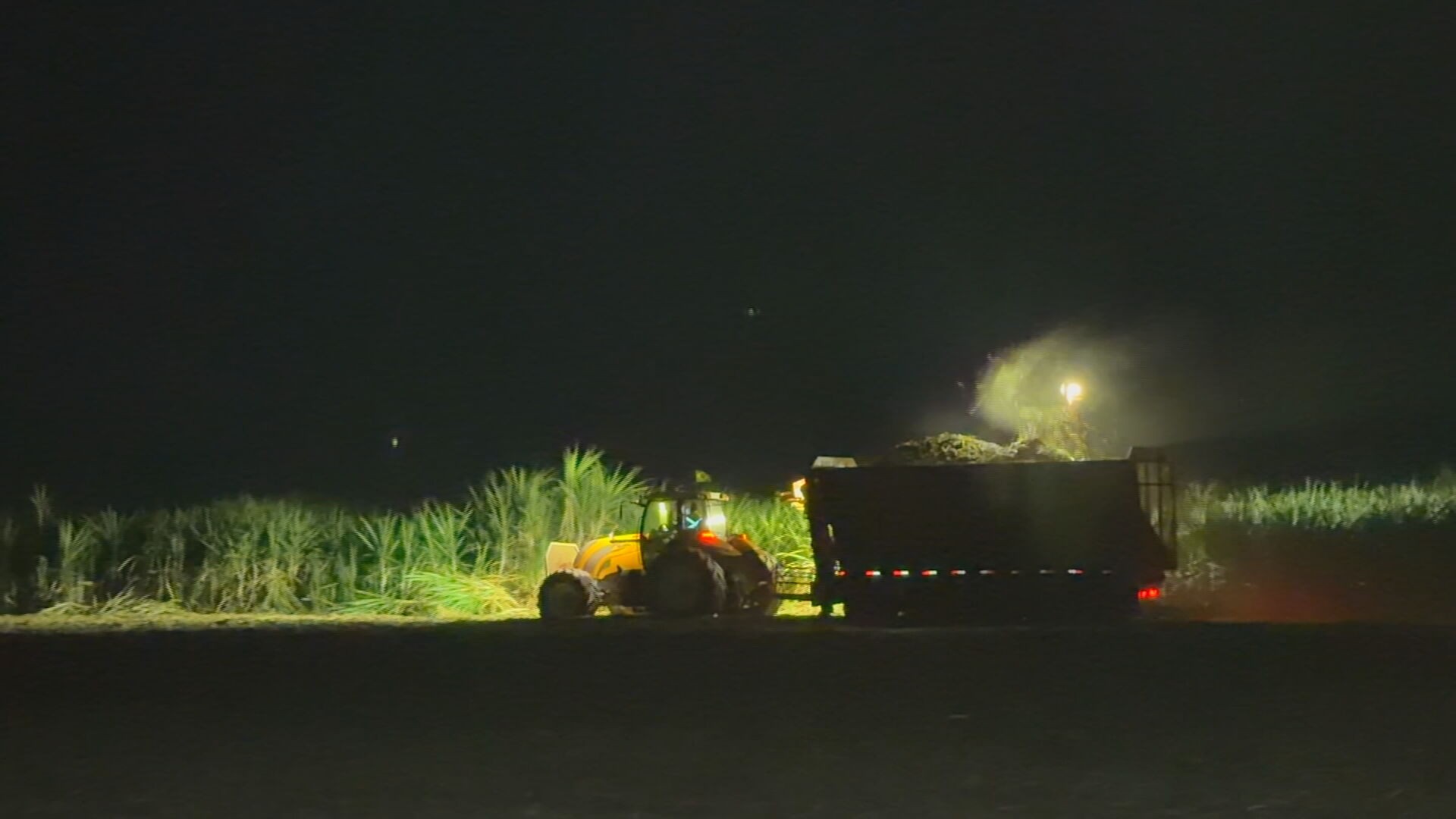
Sugarcane mills in the São José do Rio Preto region of São Paulo state, Brazil, are experiencing an intense harvest period with demand exceeding expectations. Operations are running 24 hours a day, seven days a week, facilitated by favorable rainfall patterns that support large-scale production. One mill in Tabapuã, boasting over 70 years of history, has set a new production record, aiming to process 14,000 tons of sugarcane daily. Initially, the mill projected a total harvest of 2.9 million tons by the end of November, but improved conditions suggest this could reach 3.05 million tons, a 5% increase. This operation employs 340 staff across three shifts to manage the continuous influx of approximately 30 truckloads of sugarcane daily, destined for sugar and ethanol production.
Meanwhile, in Novo Horizonte, a rural property anticipates surpassing its previous harvest yield by an estimated 15% to 20%. Producer William Semensato expects to harvest 50,000 tons by the season's end, exceeding his initial forecast by 10,000 tons. A team of 15 employees is working nearly around the clock to meet the current high harvest demands. The report was originally aired on August 2, 2026.
The sugarcane harvest in São Paulo's interior highlights the critical interplay between agricultural output, weather patterns, and operational capacity. The reliance on continuous, multi-shift labor underscores the demanding nature of agricultural processing and its sensitivity to environmental factors. As Brazil continues to be a major global producer of sugar and ethanol, understanding these dynamics is crucial for supply chain stability and economic forecasting. Future considerations may involve leveraging technology to enhance efficiency and mitigate labor demands, while also adapting to the increasing unpredictability of climate patterns. This event prompts reflection on how agricultural systems can build resilience against both environmental variability and the need for intensive human input.
AI-generated to prompt reflection — not editorial opinion, not advice, not a statement of fact. How this works.