Interbank Overnight Lending Rate Hits Lowest Point of the Year
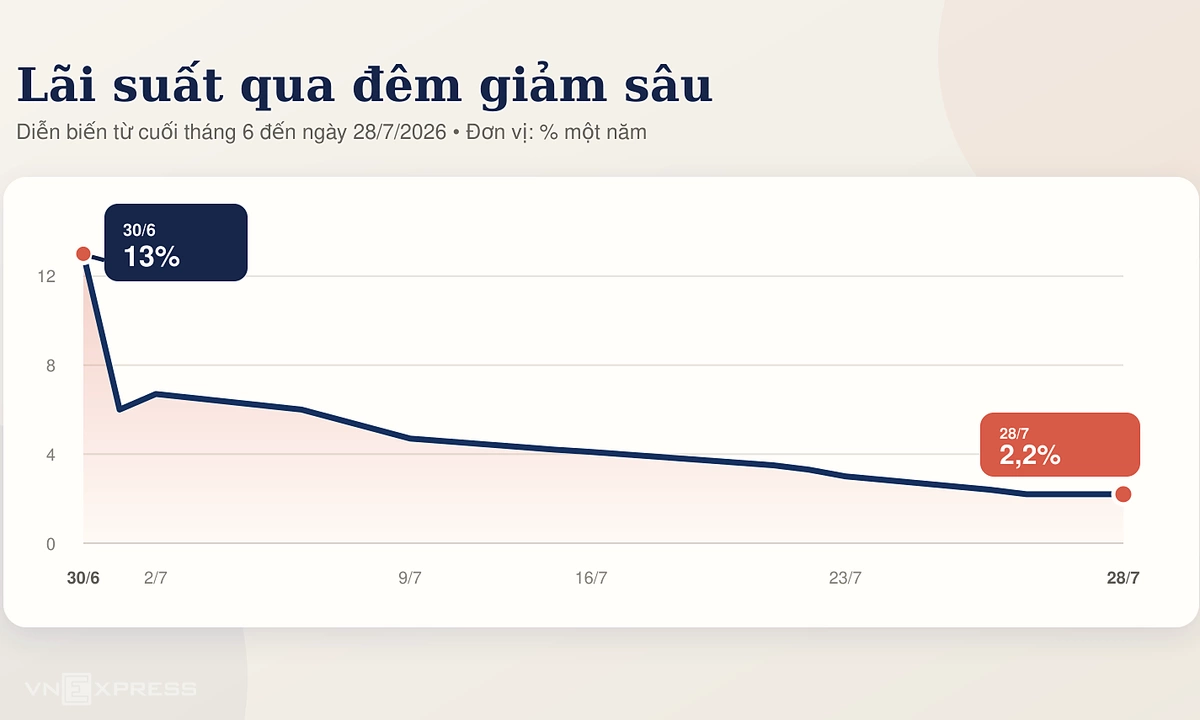
The interbank lending rate for overnight maturities has fallen to 2.2%, marking the lowest point observed since the beginning of the year. This rate reflects the cost at which commercial banks borrow funds from each other on a short-term basis, typically for one business day. The decline suggests an increase in liquidity within the banking system or a decrease in demand for short-term funds among banks. This situation can influence broader lending rates and monetary policy transmission. Lower interbank rates can potentially lead to reduced borrowing costs for businesses and consumers, although the pass-through effect depends on various market factors and central bank policies. The specific reasons for this drop, such as changes in central bank operations, market sentiment, or seasonal factors, are not detailed in the provided information. However, it indicates a shift in the short-term money market dynamics.
The reduction in the interbank overnight lending rate to its lowest point this year suggests a potential easing of short-term liquidity conditions within the banking sector. This could stem from various factors, including central bank liquidity injections, reduced credit demand, or increased deposit inflows. From a systemic perspective, persistently low interbank rates can influence the transmission of monetary policy and potentially incentivize higher-risk lending if not managed carefully. Over the next decade, as financial markets become more interconnected and influenced by digital innovations, understanding and managing these short-term liquidity fluctuations will remain critical for maintaining financial stability and ensuring efficient capital allocation.
AI-generated to prompt reflection — not editorial opinion, not advice, not a statement of fact. How this works.