Interesting Plot Holes Discovered in the Classic "Journey to the West" Series
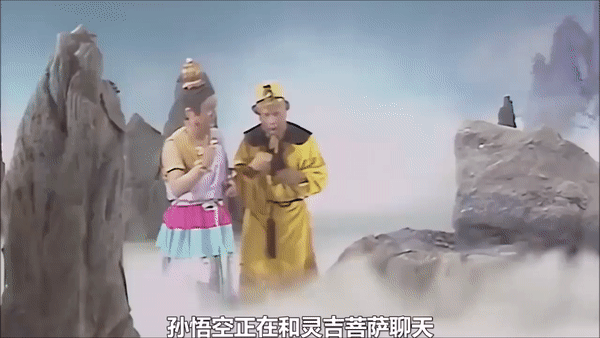
The beloved Vietnamese television series "Journey to the West" (Tây Du Ký), a cherished childhood memory for many generations, has recently been the subject of renewed discussion due to the discovery of several interesting plot holes. These cinematic "flaws" or inconsistencies have surprised viewers who are revisiting the classic show. While the series remains a cultural touchstone, these overlooked details highlight the challenges of production and storytelling, even in iconic works. The identification of these inconsistencies has sparked nostalgic conversations and a deeper appreciation for the show's enduring legacy, despite its imperfections. Fans are sharing these discoveries online, leading to a collective re-examination of familiar scenes. The show's enduring popularity suggests that these minor flaws do not detract from its overall impact or its place in the hearts of its audience. The ongoing engagement with these details demonstrates the lasting cultural significance of "Journey to the West" in Vietnam.
The enduring popularity of "Journey to the West" across generations, even with the identification of minor production inconsistencies, underscores the power of compelling narrative and cultural resonance. While the discovery of plot holes might prompt viewers to scrutinize the production process, it also reflects a deeper engagement with the material, fostering a sense of shared discovery and nostalgia. From a systems perspective, such detailed fan analysis can indirectly incentivize future media productions to prioritize narrative coherence and attention to detail, thereby enhancing viewer immersion. This phenomenon also highlights the evolving relationship between content creators and audiences in the digital age, where participatory culture allows for continuous reinterpretation and critique of established works, potentially influencing future creative endeavors.
AI-generated to prompt reflection — not editorial opinion, not advice, not a statement of fact. How this works.