Interior Secretary: White Supremacist July 4 March Protected by Free Speech
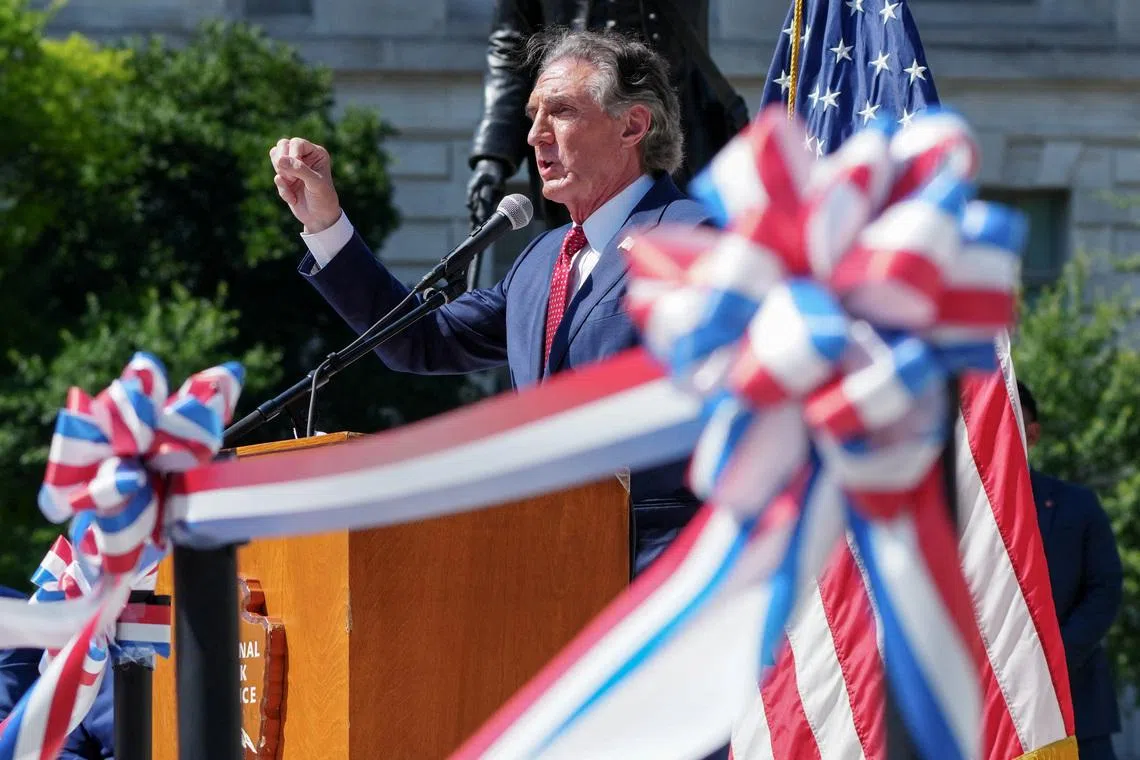
U.S. Interior Secretary Doug Burgum stated on Sunday, July 5, that federal officials had no legal grounds to prevent a white supremacist group from holding a rally in Washington on July 4. Burgum explained that such actions are protected under the principle of free speech, even when the message is controversial or offensive. He emphasized that the right to assemble and express views, within legal limits, is a fundamental aspect of American democracy. The Interior Secretary's remarks suggest a broad interpretation of free speech protections, indicating that the government's role is not to censor or suppress speech based on its content. This stance highlights the complexities and challenges inherent in balancing public order with constitutional liberties in a diverse society. The decision not to intervene underscores the high bar for restricting political expression in the United States.
The U.S. Interior Secretary's assertion that a white supremacist march on July 4 falls under free speech protections frames the event within the broader context of First Amendment jurisprudence. This perspective emphasizes the legal principle that speech, even hateful or extremist, is generally protected unless it incites imminent lawless action or constitutes true threats. The statement navigates the tension between safeguarding civil liberties and addressing the societal impact of extremist ideologies. Future governance challenges will likely involve refining the legal and ethical boundaries of protected speech, particularly as online platforms amplify such messages and potentially influence public discourse and behavior. Understanding the incentive structures that drive extremist group organization and public reaction will be crucial for policymakers seeking to foster a more inclusive and secure public sphere.
AI-generated to prompt reflection — not editorial opinion, not advice, not a statement of fact. How this works.