Internal Clashes Among Resistance Forces Lead to Violence
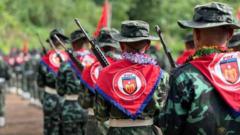
This year, there have been up to 10 incidents of armed resistance force members raiding camps, shooting, and detaining each other. Four of these incidents occurred in June alone. These internal conflicts highlight significant challenges within the coordinated efforts of various resistance groups. The frequency of these clashes suggests underlying issues related to command, control, resource allocation, or ideological differences among the factions. Such internal strife can severely undermine the overall effectiveness and unity of the revolutionary movement. Addressing these conflicts is crucial for maintaining operational integrity and achieving strategic objectives. The pattern indicates a need for improved communication, conflict resolution mechanisms, and potentially a clearer hierarchical structure among the diverse armed groups.
The reported internal conflicts among armed resistance groups, escalating in June with four incidents, suggest potential fragmentation and coordination challenges. Such intra-group violence can divert resources and attention from primary objectives, potentially weakening the movement's overall strategic position. Examining the underlying causes, such as competition for resources, differing strategic priorities, or command disputes, is essential for understanding the long-term viability of such coalitions. In the context of evolving geopolitical landscapes and technological advancements, internal cohesion becomes a critical determinant of a movement's resilience and adaptability over the next decade. Addressing these systemic issues proactively could foster greater unity and effectiveness.
AI-generated to prompt reflection — not editorial opinion, not advice, not a statement of fact. How this works.