International Analyst: Middle East Conflict Becomes More Complicated
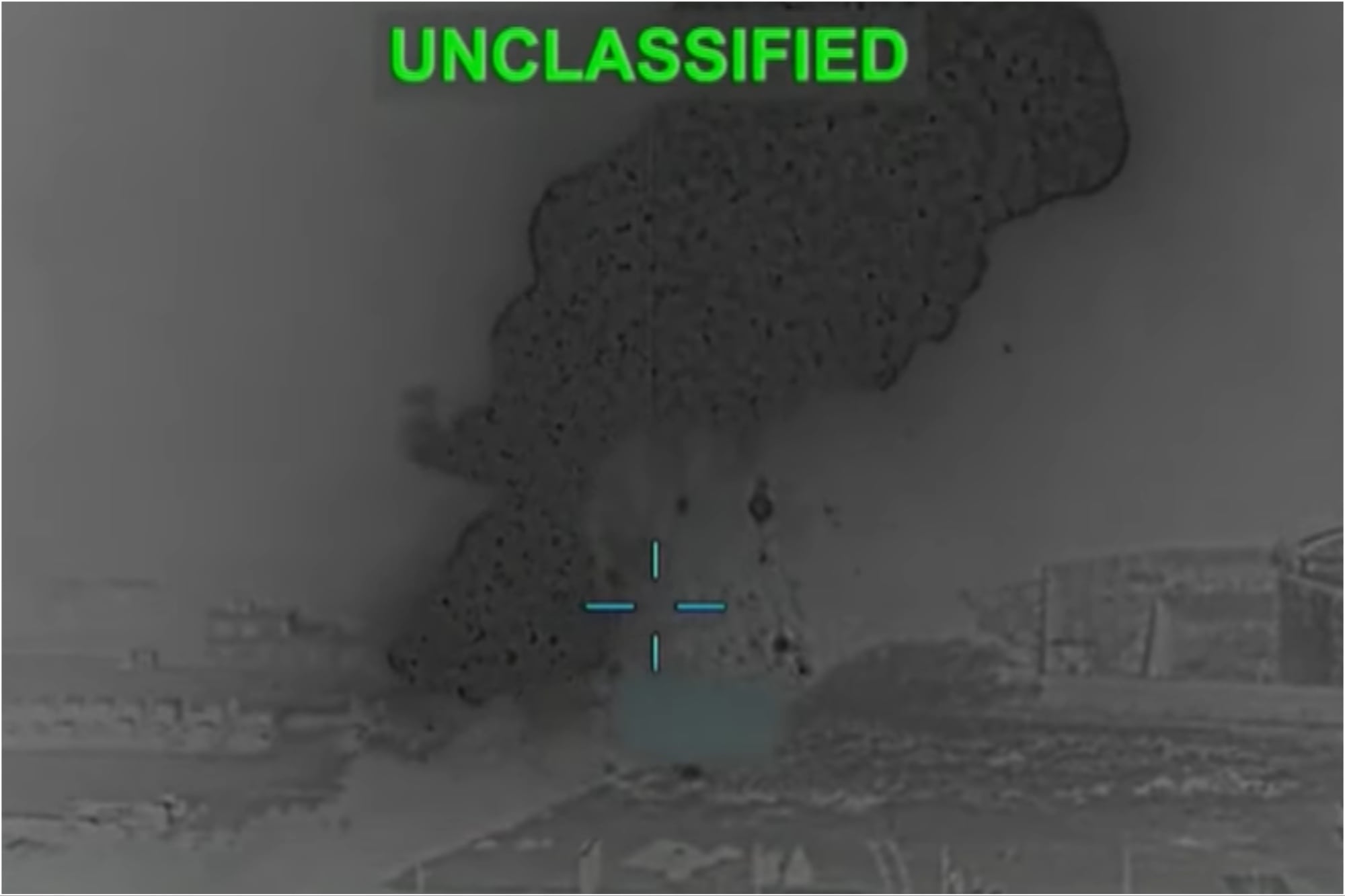
International analyst Andrés Repetto stated that the situation in the Middle East has become more complicated following recent escalations. Speaking with LN+, Repetto, an international specialist, delved into the rising tensions between Iran and the United States. These tensions have been exacerbated by reciprocal attacks between the two nations. The analyst's comments suggest a significant worsening of the already volatile geopolitical climate in the region. His remarks indicate a need for careful observation of further developments. The specific nature of the "crossfire attacks" was not detailed, but their impact on regional stability is highlighted. Repetto's assessment points to an increased risk of broader conflict or further destabilization. The interview on LN+ provided a platform for his expert opinion on this critical international issue. The analyst's perspective underscores the gravity of the current circumstances in the Middle East.
The recent exchange of attacks between Iran and the United States has demonstrably increased geopolitical friction in the Middle East. This escalation introduces greater uncertainty into regional stability, potentially impacting global energy markets and international relations. The incentive structures driving these actions likely involve domestic political considerations, regional power dynamics, and deterrence strategies. Moving forward, the international community faces the challenge of de-escalating tensions while addressing the underlying causes of conflict. The long-term implications for regional governance and security architectures warrant careful consideration, especially in the context of evolving global power balances and the increasing role of non-state actors.
AI-generated to prompt reflection — not editorial opinion, not advice, not a statement of fact. How this works.