International Criminal Court Faces Crisis as Nations Withdraw
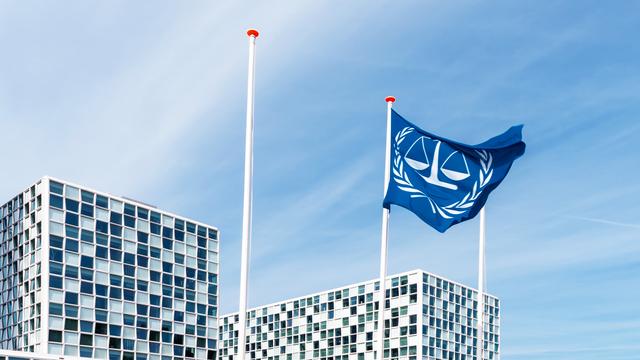
The International Criminal Court (ICC) is currently experiencing a significant crisis. The court is under pressure from the United States, which has led some countries to withdraw their membership. Venezuela is cited as an example of a nation that has left the global tribunal. The situation now places a considerable responsibility on the European Union to address these challenges. The departure of member states raises questions about the court's future effectiveness and its ability to uphold international justice. The ICC was established to prosecute individuals for war crimes, genocide, and crimes against humanity. Its influence and reach are now being tested by geopolitical pressures and the actions of powerful nations. The EU's response will be crucial in determining whether the court can navigate this period of adversity and maintain its mandate.
The International Criminal Court's current challenges highlight the inherent tension between national sovereignty and international legal frameworks. The withdrawal of member states, influenced by external pressures, suggests that the court's authority is contingent upon the cooperation and political will of its constituents. This dynamic raises questions about the sustainability of international justice mechanisms when faced with the geopolitical interests of powerful states. The situation underscores the need for robust diplomatic engagement and potential reforms to ensure the ICC's continued relevance and effectiveness in a complex global landscape. Future developments may depend on the ability of international bodies to balance accountability with the political realities of state actors.
AI-generated to prompt reflection — not editorial opinion, not advice, not a statement of fact. How this works.