International Criminal Court: Sovereignty Does Not Mean Impunity
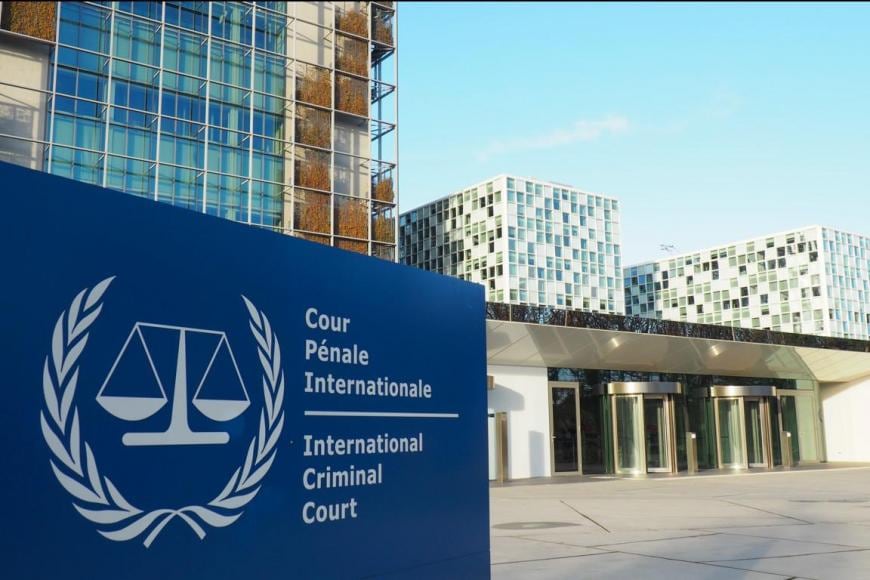
The International Criminal Court (ICC) was established to address atrocities that transcend national borders and cannot be left unpunished. Following World War II, the Nuremberg trials set a precedent by holding leaders accountable for war crimes and crimes against humanity. However, these were exceptional measures. The ad hoc tribunals of the 1990s, such as those for the former Yugoslavia and Rwanda, expanded international law by prosecuting ethnic cleansing, systematic rape as a weapon of war, and genocide, including the Srebrenica massacre in 1995 and the 1994 Rwandan genocide. The Rome Statute in 1998 created the ICC as a permanent institution to prosecute genocide, crimes against humanity, war crimes, and aggression. The ICC acts only when national courts are unable or unwilling to prosecute. In over two decades, the ICC has issued around ten convictions. Notable cases include Thomas Lubanga Dyilo in 2012 for recruiting child soldiers under 15 in Ituri, Dominic Ongwen for sexual slavery and forced marriage in Uganda, and Ali Kushayb in 2025 for crimes against humanity and war crimes in Darfur, including murder, persecution, and forced displacement of non-Arab communities. The ICC also opened its first formal investigation into a Latin American country in 2021, examining alleged crimes against humanity by Venezuelan state agents against opponents and protesters. Chile was among the six states that referred the situation to the ICC in 2018, aligning with its human rights foreign policy. The principle remains that states have the primary duty to investigate and punish severe crimes; when they fail, the international community cannot be indifferent. The ICC reinforces, rather than threatens, democratic sovereignty by asserting that no one is above the law when facing atrocities that shock humanity's conscience.
The International Criminal Court's role highlights a fundamental tension between national sovereignty and universal jurisdiction over severe international crimes. While the ICC acts as a court of last resort, its existence and interventions underscore the global consensus that certain acts are so egregious they demand accountability beyond state-level proceedings. The principle of complementarity, where the ICC only intervenes when national systems fail, aims to balance these competing interests. However, the effectiveness and perceived legitimacy of the ICC are often debated, particularly by states wary of external judicial power infringing on their autonomy. The system's challenge lies in navigating state reluctance and ensuring consistent application of justice across diverse legal and political landscapes, promoting a future where impunity for mass atrocities is increasingly untenable.
AI-generated to prompt reflection — not editorial opinion, not advice, not a statement of fact. How this works.