International Media Covers Sonam Wangchuk's Hunger Strike
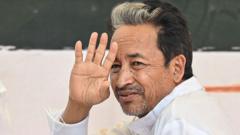
Despite the central government appearing largely inactive regarding Sonam Wangchuk's hunger strike, the protest has garnered significant attention in international media. Several prominent global news outlets have reported on the situation. Wangchuk, a renowned climate activist and engineer, began his hunger strike on April 6, 2024, in Ladakh. He is demanding the implementation of the 6th Schedule of the Constitution for Ladakh, which aims to protect the region's unique culture, environment, and economy. He is also advocating for the protection of the Himalayas and the rights of indigenous communities. Wangchuk has stated that he will continue his fast until his demands are met or his health deteriorates significantly. The protest highlights concerns about the potential environmental and cultural impact of industrial development in the fragile Himalayan region. International coverage underscores the global significance of the issues raised by Wangchuk's activism.
The international media's focus on Sonam Wangchuk's hunger strike signals a growing global awareness of environmental and indigenous rights issues in ecologically sensitive regions like Ladakh. This attention can exert external pressure on governmental bodies to address local concerns, potentially influencing policy decisions through reputational risk and public opinion dynamics. The situation highlights a common tension between national development agendas and the preservation of unique regional identities and ecosystems. As global interconnectedness increases, such localized protests can quickly gain international traction, underscoring the need for governance structures that are responsive to both national imperatives and the specific needs of diverse communities, especially in the context of climate change and resource management in the coming decade.
AI-generated to prompt reflection — not editorial opinion, not advice, not a statement of fact. How this works.