International Medical Students Convene in Brazil for Tropical Disease Training
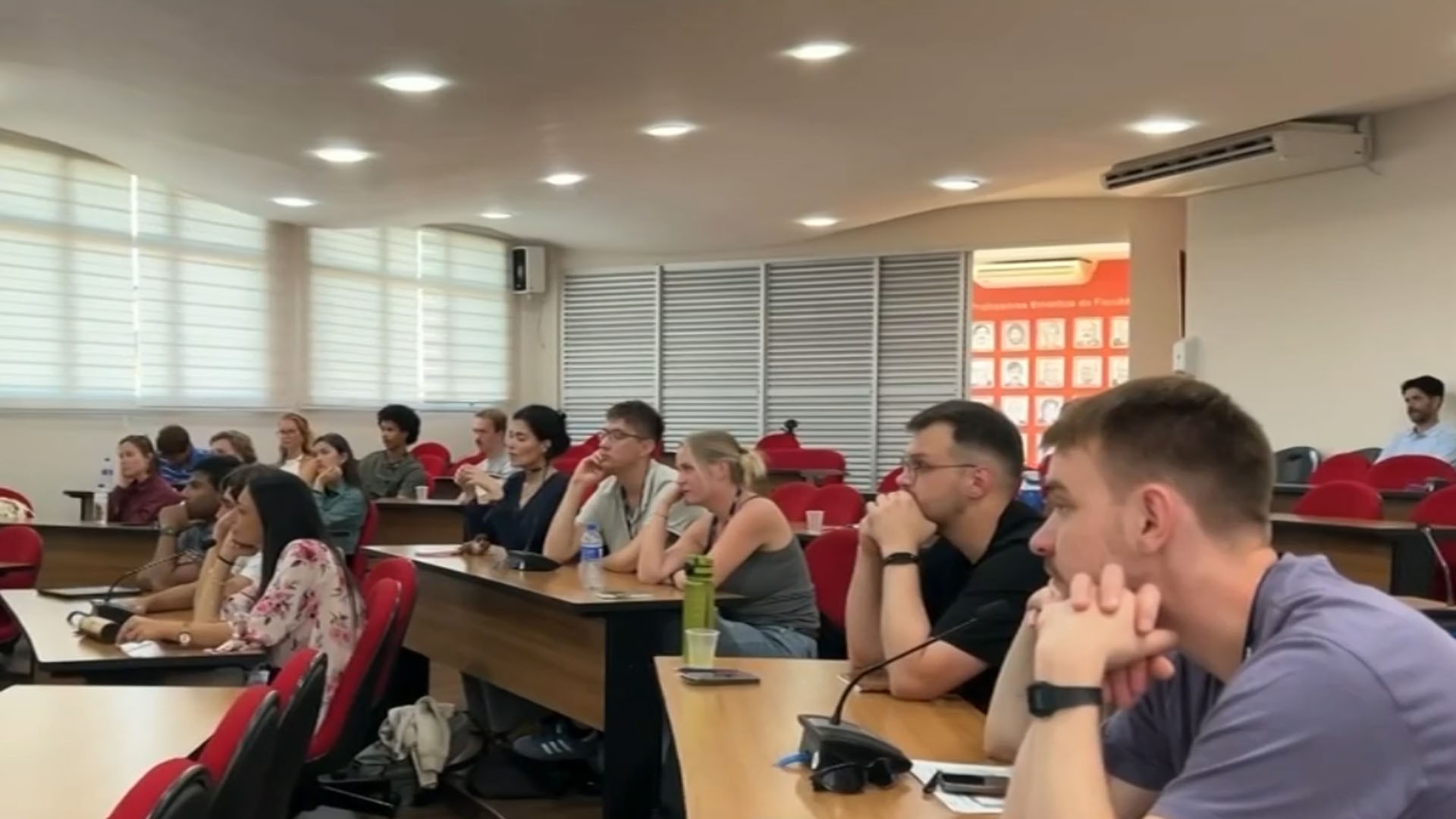
Nineteen medical students from eight different countries are participating in the 11th "Winter School on Tropical and Infectious Diseases" program at the Botucatu Medical School of São Paulo State University (FMB/Unesp) in Brazil. This intensive three-week program immerses international students in the practical aspects of managing tropical and infectious diseases, which are increasingly prevalent globally. The students, hailing from nations including England, Canada, France, Spain, Russia, and Turkmenistan, gain hands-on experience by observing patient care at the university's Hospital das Clínicas and learning about the Brazilian public health system, SUS. Participants are keen to understand how Brazil diagnoses and treats diseases like dengue, chikungunya, and leishmaniasis, which are becoming more common in regions previously unaffected. The program aims to provide international medical professionals with crucial knowledge as infectious diseases spread across borders due to factors like global warming and migration. The curriculum covers epidemiological surveillance, infection control, and specific diseases such as malaria, leishmaniasis, leprosy, HIV, and various viral fevers, alongside venomous animal accidents. The students also visit specialized centers, including the Lauro de Souza Lima Institute for leprosy treatment and a hospital dedicated to HIV care, as well as Unesp's microbiology labs and the Center for Study of Venoms and Poisonous Animals (CEVAP). Beyond academic learning, the program includes cultural integration activities like Portuguese language classes and local tours, fostering a broader understanding of Brazil and its healthcare challenges.
The "Winter School on Tropical and Infectious Diseases" highlights the growing global interconnectedness of health challenges, particularly the expansion of tropical diseases into non-tropical regions. This phenomenon, driven by climate change and increased human mobility, necessitates a more globally informed medical workforce. By bringing students from diverse backgrounds to Brazil, a region historically managing these diseases, the program addresses a critical knowledge gap. It underscores the importance of international collaboration in public health education and research, enabling a reciprocal exchange of expertise. The initiative implicitly recognizes that effective disease management in the 21st century requires understanding varied healthcare systems and environmental factors, preparing future physicians for a world where health threats transcend national borders.
AI-generated to prompt reflection — not editorial opinion, not advice, not a statement of fact. How this works.