Internet's New 'Mass Manipulation Tactic': Video Clipping
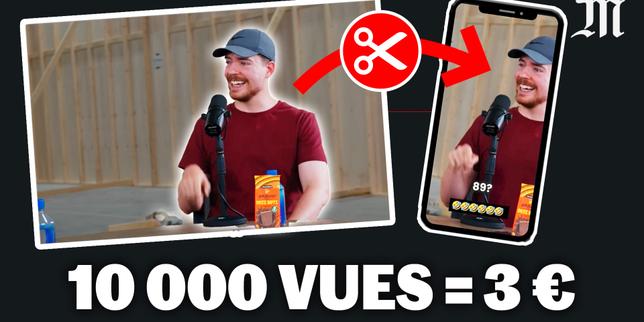
A new practice known as "clipping," which involves cutting content into short videos to flood social media, has emerged as a highly profitable industry. This method is being described as a new "weapon of mass manipulation" on the internet. The core of clipping is the fragmentation of original content into bite-sized video clips. These clips are then strategically disseminated across various social media platforms. The goal is to maximize reach and engagement by catering to the short attention spans prevalent online. This approach has proven to be incredibly lucrative, transforming content creation and distribution into a significant revenue stream. The effectiveness of clipping lies in its ability to capture immediate attention and encourage rapid sharing. However, critics argue that this practice can distort the original context of the content. It also raises concerns about the quality and depth of information being consumed by the public. The lucrative nature of clipping suggests a strong market demand for easily digestible, short-form video content. This trend highlights a shift in how information is consumed and monetized in the digital age.
The rise of "clipping" as a lucrative social media strategy reflects a broader trend of content fragmentation driven by platform algorithms and user attention economics. This practice leverages short-form video to maximize engagement and virality, potentially at the expense of nuanced information. The economic incentive for creators and platforms to adopt clipping suggests a system that prioritizes immediate impact over depth. Looking ahead, the sustainability of this model may face challenges as audiences potentially develop fatigue or demand more substantive content. Furthermore, the "mass manipulation" framing highlights concerns about the ethical implications of optimizing content solely for algorithmic amplification and audience capture, rather than for informed discourse.
AI-generated to prompt reflection — not editorial opinion, not advice, not a statement of fact. How this works.