Internet Sensation 'Punch' the Monkey Celebrates First Birthday Amidst Global Fan Support
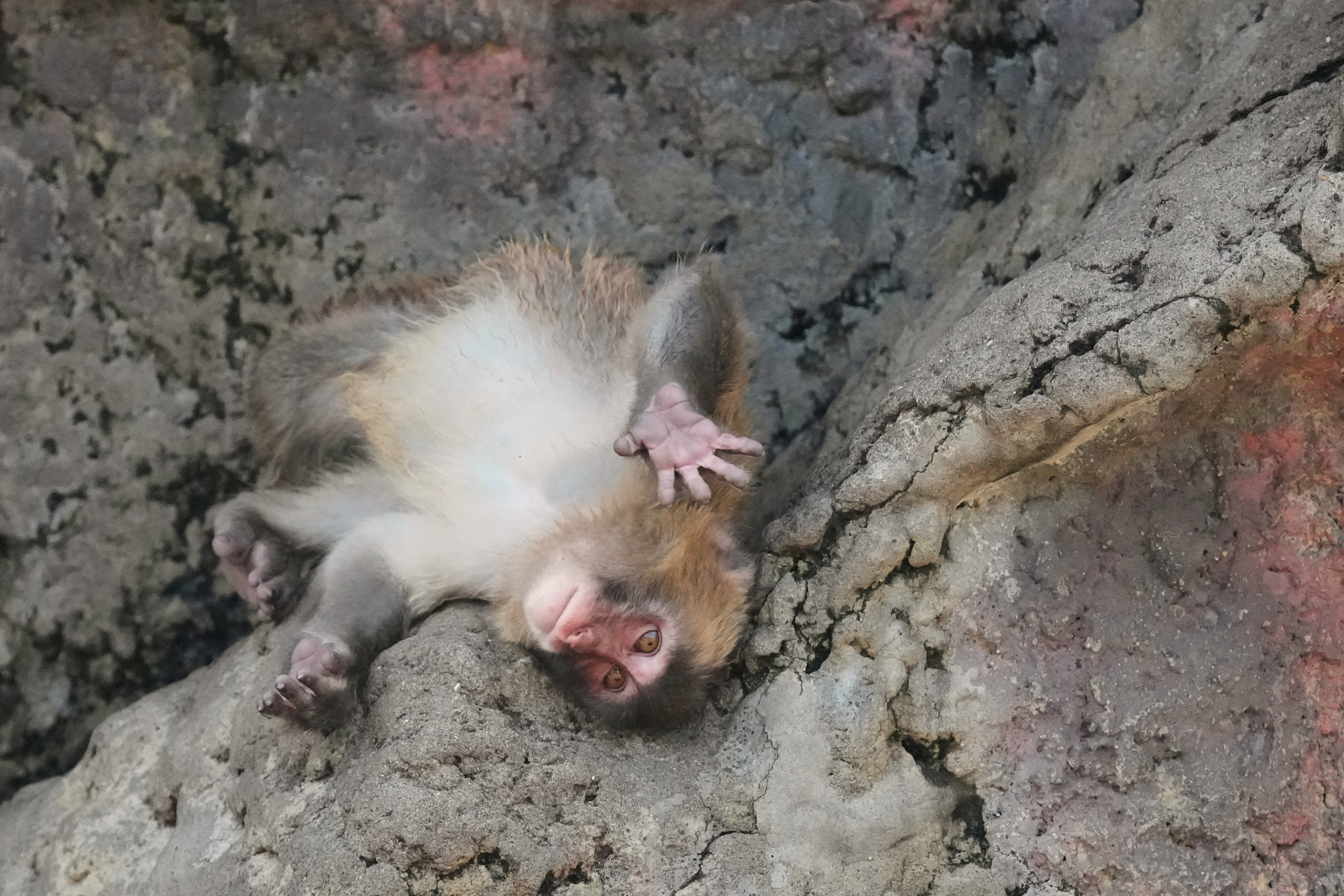
Punch, a Japanese macaque known for its bond with a plush orangutan toy, is celebrating its first birthday on July 26, 2026. The young monkey gained international fame after being seen seeking comfort from an IKEA stuffed animal at the Ichikawa City Zoo, located near Tokyo. Abandoned by its mother and initially rejected by some members of its troop, Punch's story resonated globally, particularly after the zoo began sharing videos of its integration attempts on social media under the hashtag #HangInTherePunch. Zoo staff report that Punch is developing well, interacting more with other animals and relying less on the plush toy, signifying his growing acceptance within the group. The zoo has experienced a surge in visitors and fan mail from around the world, with approximately 2,500 birthday cards collected by July 24. This popularity has also brought challenges, including unwanted attention from YouTubers who invaded Punch's enclosure and an incident involving a laser pointer. The zoo has leveraged Punch's fame to raise funds, collecting 58 million yen (approximately $350,000) by mid-July to finance a new air conditioning system, benefiting the entire macaque group and the facility. Punch now spends his days resting in the shade and becoming more active in the cooler evenings, a testament to his improving well-being and integration.
The viral phenomenon of 'Punch' the monkey highlights the powerful emotional connections audiences can form with animals, particularly those perceived as vulnerable. This public engagement, while beneficial for fundraising and raising awareness for the zoo's needs, also presents ethical considerations regarding animal welfare and the potential for exploitation of a creature's appeal for commercial gain. The zoo's success in securing significant donations underscores the effectiveness of leveraging social media narratives for institutional support, but also necessitates robust protocols to manage public access and prevent disturbances that could stress the animals. Looking ahead, such cases prompt reflection on how digital platforms can amplify both positive conservation efforts and the risks of anthropomorphism, potentially influencing public perception of wildlife and zoo management practices in the coming decade.
AI-generated to prompt reflection — not editorial opinion, not advice, not a statement of fact. How this works.