Interstellar Comet 3I/ATLAS's Chemical Fingerprint May Reveal It's Older Than Our Sun
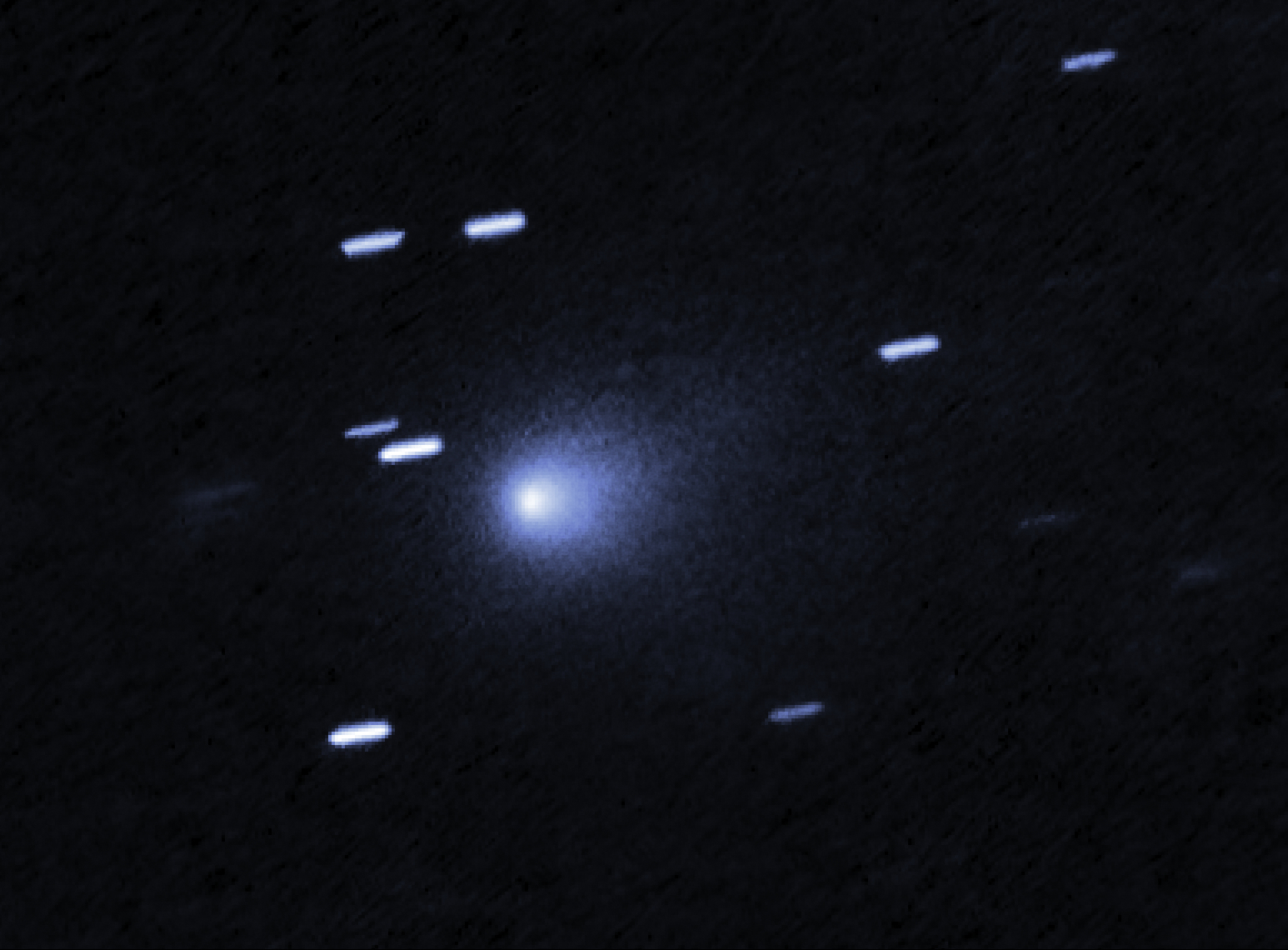
Astronomers are studying the interstellar comet 3I/ATLAS, which has captured the attention of the scientific community. Initial observations suggest that analyzing specific chemical signatures within the comet could provide insights into its age. This analysis might reveal whether 3I/ATLAS predates our own solar system. The comet's unique composition offers a rare opportunity to study material originating from beyond our solar system. Understanding its chemical makeup is key to determining its origin and timeline relative to the Sun. Further research aims to unlock the secrets held within its chemical fingerprints. This could significantly advance our understanding of planetary formation and the history of our cosmic neighborhood.
The study of interstellar objects like comet 3I/ATLAS offers a unique scientific opportunity to probe the composition and history of systems beyond our own. By examining the chemical 'fingerprint' of such objects, researchers can potentially infer their age and origin, providing a comparative baseline against which our solar system can be understood. This comparative analysis is crucial for refining models of planetary formation and the evolution of stellar systems. Understanding the prevalence and characteristics of interstellar visitors can also inform our assessment of the likelihood of life emerging in other parts of the galaxy, by providing empirical data on the building blocks available in diverse cosmic environments. The long-term implications involve enhancing our cosmic perspective and potentially identifying commonalities or divergences in the processes that shape planetary bodies across the universe.
AI-generated to prompt reflection — not editorial opinion, not advice, not a statement of fact. How this works.