Interstellar Comet 3l/Atlas Offers Glimpse into Ancient Planetary Systems
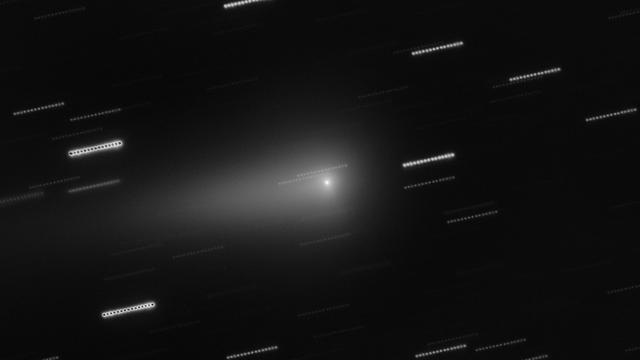
Astronomers have identified Comet 3l/Atlas, an interstellar visitor originating from a star system that formed long before our own solar system. This remarkable discovery provides scientists with a unique opportunity to study the composition and characteristics of planetary systems beyond our own. By analyzing the comet, researchers can gain insights into the processes of star and planet formation in different cosmic environments. The age of the comet's parent star, which predates our sun, makes this an exceptionally valuable find for understanding the early universe. Studying such objects allows for a comparative analysis of planetary system evolution across the galaxy. This research could significantly advance our understanding of exoplanetary science and the prevalence of life-supporting conditions elsewhere in the cosmos. The comet's journey through interstellar space offers a rare chance to examine material from a vastly different stellar nursery.
The discovery of Comet 3l/Atlas, originating from an ancient star system, presents a significant opportunity for scientific inquiry into exoplanetary formation and evolution. Analyzing interstellar objects allows researchers to bypass the limitations of studying our own solar system's history, offering a comparative perspective on planetary system diversity. This research can illuminate universal principles of stellar and planetary development, potentially revealing commonalities or unique pathways in galactic ecosystems. Such findings encourage a long-term view of cosmic evolution, emphasizing the interconnectedness of stellar nurseries and the potential for diverse planetary architectures across the galaxy. Understanding these processes is crucial for contextualizing Earth's place in the universe and for future space exploration endeavors.
AI-generated to prompt reflection — not editorial opinion, not advice, not a statement of fact. How this works.