Interstellar Comet's Unique Chemistry Challenges Existing Models
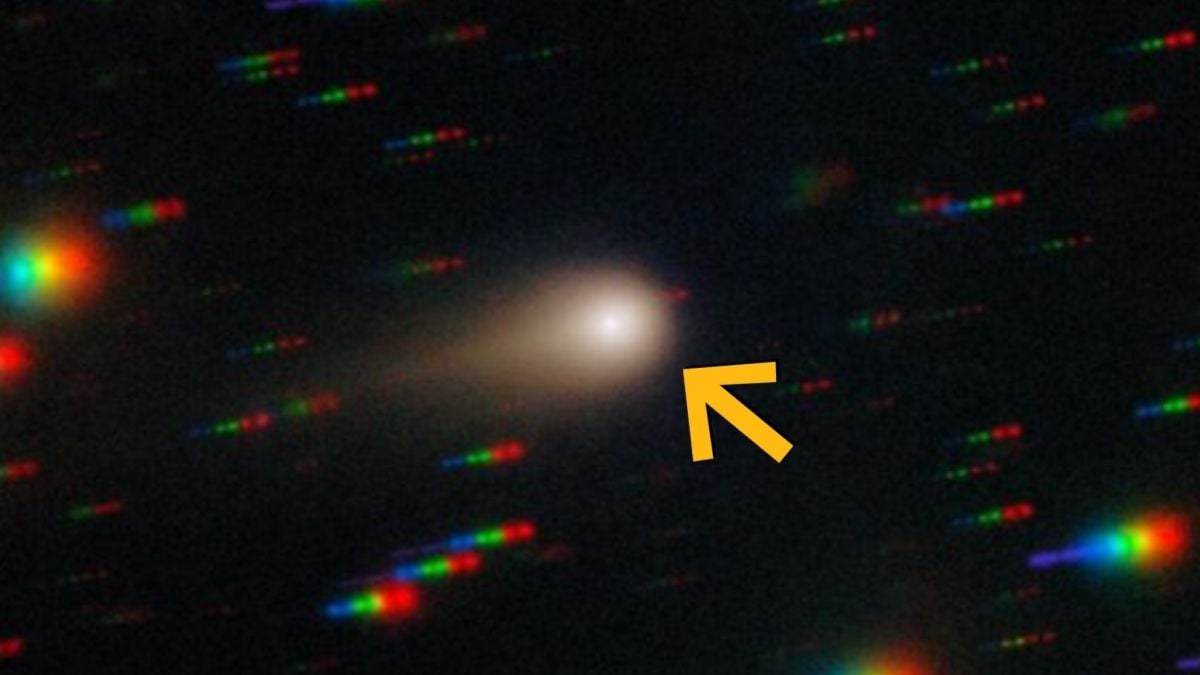
A recently discovered comet originating from beyond our solar system exhibits a chemical composition that is entirely unprecedented. Scientists are analyzing this celestial object, which presents a chemical makeup unlike anything previously observed in comets within our solar system. This discovery offers a unique opportunity to study materials formed in a different stellar environment. The unique chemistry suggests that the processes of planet formation and the composition of interstellar matter may be more diverse than currently understood. Further research into this comet could significantly advance our knowledge of the chemical evolution of planetary systems. The data gathered will be crucial for refining models of cometary formation and the distribution of organic molecules in the galaxy. This interstellar visitor provides a rare glimpse into the building blocks of other star systems. Its distinct characteristics prompt a re-evaluation of our assumptions about the universality of chemical processes in space.
The discovery of an interstellar comet with novel chemistry challenges existing astrophysical models of molecular formation and distribution. This finding suggests that the chemical diversity of planetary building blocks across the galaxy may be far greater than previously assumed. Examining such objects provides a crucial, albeit rare, opportunity to test theories about the origins of organic molecules and the conditions under which life might arise elsewhere. The data could refine our understanding of galactic chemical evolution and the potential for interstellar transfer of prebiotic materials, prompting a re-evaluation of the universality of solar system formation processes.
AI-generated to prompt reflection — not editorial opinion, not advice, not a statement of fact. How this works.