Intestinal Stem Cells Divide Eight Times to Preserve Cell Balance
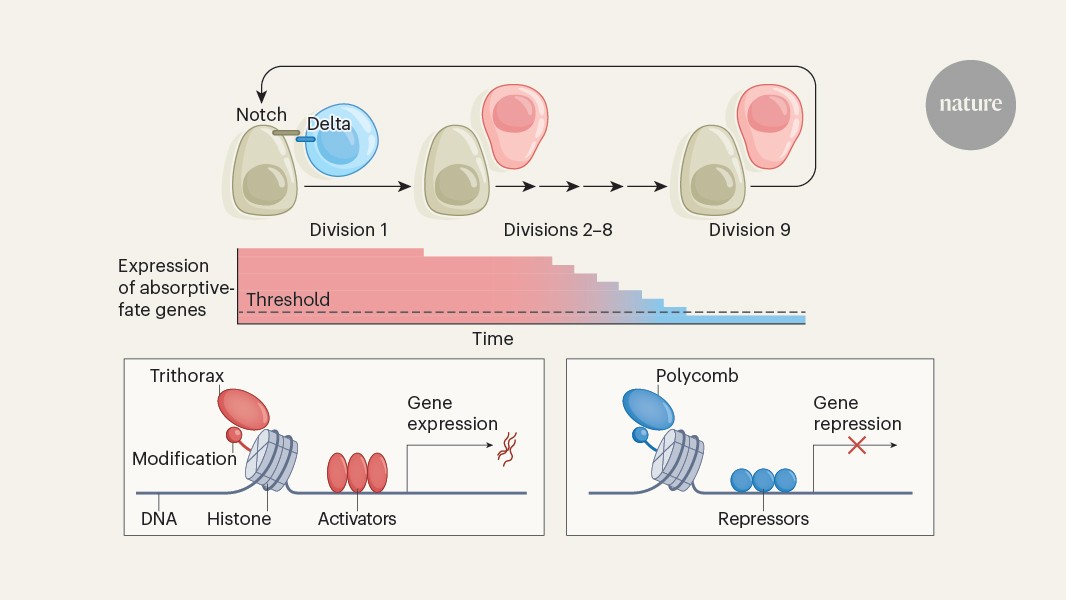
Intestinal stem cells have been observed to undergo exactly eight divisions. This precise number of divisions is crucial for maintaining the correct ratios of different cell types within the intestine. This process ensures the tissue's health and proper functioning. The stem cells act as a reservoir, replenishing the various specialized cells that line the intestinal tract. These specialized cells, such as absorptive enterocytes and mucus-producing goblet cells, have distinct roles in digestion and protection. The controlled division of stem cells prevents either an overpopulation or depletion of any specific cell type. This mechanism is vital for the continuous renewal and repair of the intestinal lining, which experiences constant wear and tear. Maintaining these cellular ratios is fundamental for the overall homeostasis of the gut environment. Any deviation from this eight-division count could potentially lead to dysregulation and impact intestinal health.
The precise regulation of intestinal stem cell division to a fixed number of eight suggests a highly conserved biological mechanism designed for robust tissue maintenance. This biological 'set point' likely represents an evolutionary optimization balancing the need for cell replenishment with the prevention of uncontrolled proliferation, a hallmark of cancer. In the context of future medical interventions, understanding this precise division count could unlock novel therapeutic strategies for conditions involving intestinal damage or disease, such as inflammatory bowel disease or cancer. The challenge lies in harnessing this natural regulatory process without disrupting the delicate cellular equilibrium, ensuring that interventions promote healing rather than induce new pathologies.
AI-generated to prompt reflection — not editorial opinion, not advice, not a statement of fact. How this works.