Invasive Ant Species Spreading Rapidly Through Bavaria, Germany
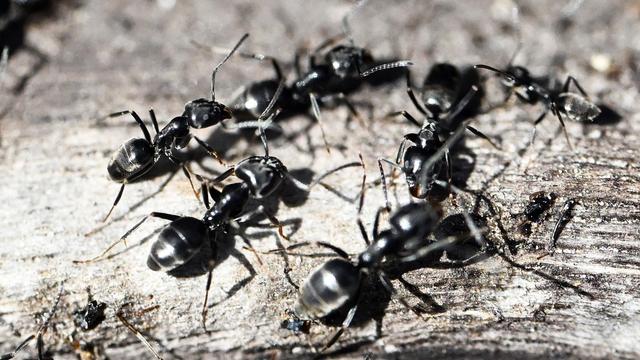
An invasive ant species is rapidly expanding its territory across the German state of Bavaria. This aggressive ant, identified as Lasius neglectus, is known for its ability to form "supercolonies" consisting of millions of individual ants. These supercolonies can overwhelm native ant populations and disrupt local ecosystems. The ants are also a nuisance to humans, often invading homes and gardens in large numbers. Their rapid spread is a cause for concern among environmental authorities and residents alike. Efforts are underway to monitor the extent of the infestation and to develop strategies for managing its impact. The species is believed to have been introduced to Germany through imported goods, highlighting the risks associated with global trade. Further research is needed to understand the long-term ecological consequences and to find effective control methods.
The proliferation of the invasive Lasius neglectus ant in Bavaria exemplifies a common challenge posed by non-native species in a globalized world. The ants' supercolony structure provides a significant competitive advantage, enabling them to displace indigenous species and alter ecosystem dynamics. This situation underscores the importance of robust biosecurity measures at borders to prevent the introduction of such species. Future management strategies will likely need to balance ecological control with the potential for unintended consequences on the broader environment. Understanding the economic and ecological costs associated with managing invasive species will be crucial for resource allocation in conservation efforts over the next decade.
AI-generated to prompt reflection — not editorial opinion, not advice, not a statement of fact. How this works.