Invasive Asian Praying Mantises Threaten European Wildlife, Scientists Warn
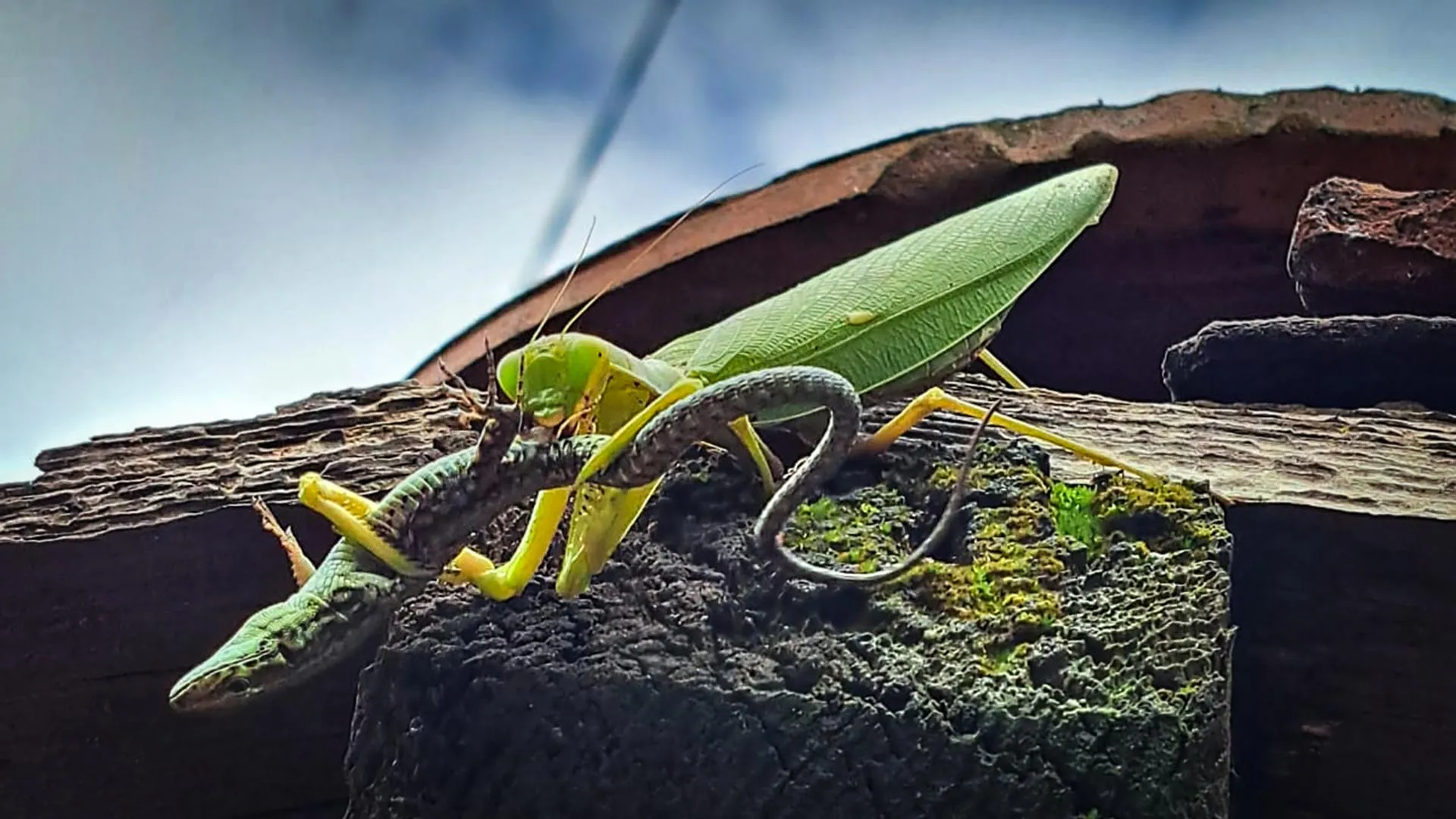
Two species of Asian praying mantises have been officially classified as invasive in Europe, prompting concerns about their ecological impact. These fast-breeding predators, aided by climate change and urban settings, are expanding their range northward across the continent. Their presence poses a significant threat to native European wildlife, as they prey on indigenous insects, essential pollinators, and even small vertebrates. Furthermore, the invasive mantises are actively reducing native mantis populations through aggressive mating behaviors that result in the death of native males. The rapid spread and predatory nature of these Asian species highlight a growing ecological challenge for Europe's biodiversity.
The proliferation of invasive species like the Asian praying mantis in Europe underscores the complex interplay between climate change, urbanization, and ecological disruption. As these non-native predators expand their range, they exert significant pressure on indigenous flora and fauna, potentially leading to biodiversity loss and ecosystem imbalance. This situation highlights the need for robust monitoring and management strategies to mitigate the impacts of biological invasions, particularly in regions experiencing rapid environmental shifts. Future ecological resilience will depend on understanding and addressing these cross-border environmental challenges proactively.
AI-generated to prompt reflection — not editorial opinion, not advice, not a statement of fact. How this works.