Invasive Quagga Mussel: What Swimmers and Water Sports Enthusiasts Need to Know
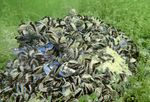
Aquatic ecologist Nikolaus Schobesberger emphasizes the critical need for Austria to make every effort to keep its lakes free of the invasive quagga mussel. This species poses a significant threat to freshwater ecosystems. Schobesberger's insights are crucial for understanding the ecological impact and the importance of preventative measures. The quagga mussel, native to Eastern Europe and Western Russia, has spread rapidly across continents. It can alter water quality by filtering large volumes of water, potentially leading to reduced food availability for native species. Furthermore, their ability to attach to hard surfaces can clog water intake pipes and damage infrastructure. Austria's commitment to protecting its lakes from this invasive species is vital for maintaining biodiversity and the health of its aquatic environments. Proactive strategies and public awareness are key to preventing further proliferation.
The spread of invasive species like the quagga mussel presents a complex challenge for ecological management and public infrastructure. From a systems perspective, the quagga mussel's high filtration rate and reproductive capacity can rapidly destabilize native aquatic food webs and alter water chemistry. This necessitates a proactive, multi-stakeholder approach involving government agencies, research institutions, and the public. Future strategies should consider the long-term economic implications of unchecked spread, including costs associated with water treatment, infrastructure maintenance, and potential impacts on tourism and recreation. Balancing conservation efforts with the practical needs of water users will be a key governance challenge in the coming decade.
AI-generated to prompt reflection — not editorial opinion, not advice, not a statement of fact. How this works.