Invasive Wild Boars Devastate Mato Grosso do Sul Farms and Protected Areas
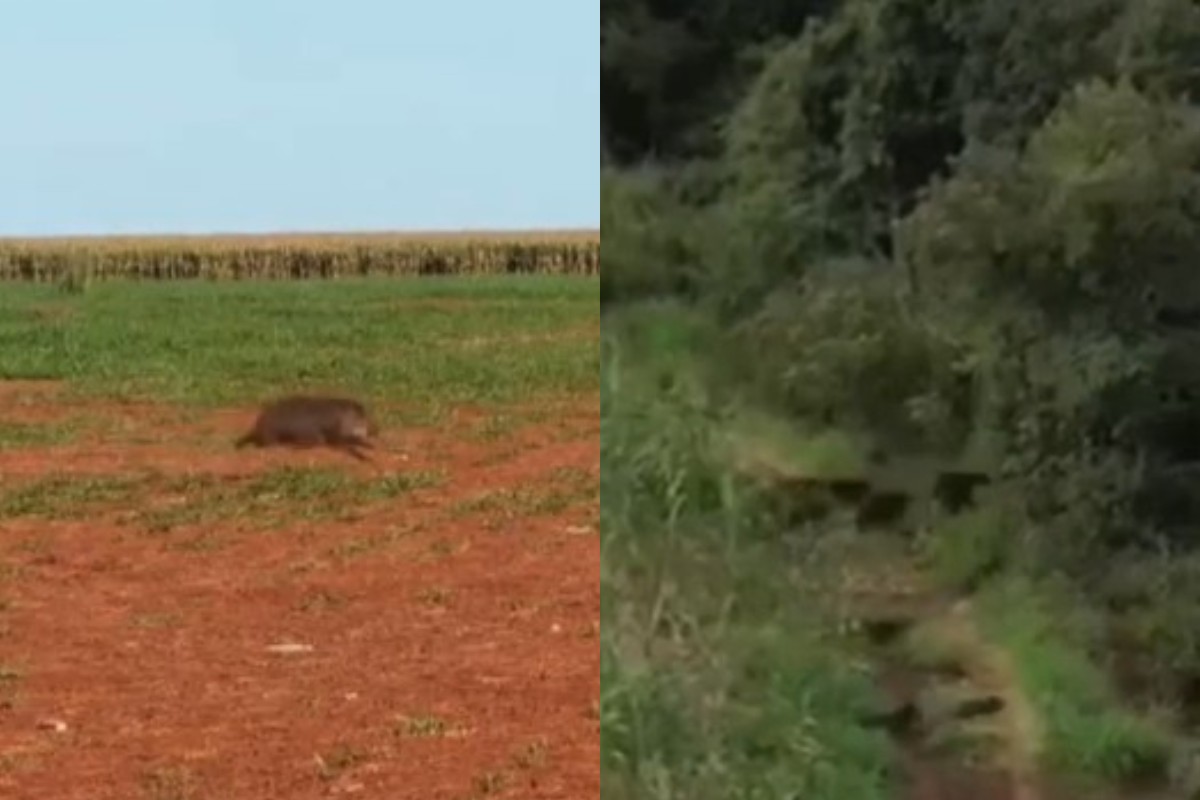
The growing population of wild boars and their hybrids, known as javaporcos, is causing significant damage to corn crops and protected natural areas in Mato Grosso do Sul, Brazil. Farmers are reporting substantial losses, with one producer estimating a 15% reduction in yield across 200 hectares of corn due to the animals consuming seeds and destroying plants. These invasive species, originally from Europe, Asia, and North Africa, are not native to Brazil and are recognized as harmful to native fauna, flora, agricultural production, and public health. Beyond agricultural damage, the boars disrupt ecosystems by disturbing soil in search of food, degrading vegetation in Permanent Preservation Areas (APPs), damaging water sources, and competing with native wildlife. Their presence has reportedly tripled in some areas, particularly impacting sensitive zones like springs. To address this escalating problem, rural producers are seeking authorization from the Brazilian Institute of Environment and Renewable Natural Resources (Ibama) for controlled management of the boar population. Ibama has authorized the legal culling of wild boars since 2013 as a population control measure. Individuals wishing to participate in this management must register with Ibama's Federal Technical Registry and obtain specific authorization through the Fauna Management System (CIMAF), with firearm use also requiring Federal Police regularization. Ibama emphasizes that all management must adhere to established regulations, ensuring animal welfare and prohibiting mistreatment. Only wild boars and javaporcos are permitted for culling, with strict prohibitions against harming native Brazilian species like peccaries. Last year, approximately 15,000 wild boars were legally culled nationwide, though Ibama suspects the actual number is higher due to incomplete reporting.
The proliferation of invasive wild boars in Mato Grosso do Sul highlights a critical challenge in ecological management where introduced species disrupt established ecosystems and economic activities. The Brazilian government's authorization of controlled culling, while a necessary response to mitigate agricultural and environmental damage, necessitates robust oversight to ensure compliance with welfare standards and prevent unintended harm to native wildlife. Future strategies may benefit from exploring integrated pest management approaches that combine regulated culling with habitat modification and early detection systems. Long-term success will depend on understanding the drivers of boar population growth and the effectiveness of current regulations in preventing illegal activities and ensuring the sustainability of both agricultural productivity and biodiversity conservation in the face of ongoing ecological pressures.
AI-generated to prompt reflection — not editorial opinion, not advice, not a statement of fact. How this works.